How to Organize Any Space Using the 5S Method

The 5S methodology is a systematic approach to workspace organization that can be applied to any space—home, office, garage, or living area. Originally developed in Japan, 5S has become a proven system for decluttering, organizing, and maintaining orderly spaces. The five steps—Sort, Set in Order, Shine, Standardize, and Sustain—provide a structured framework that anyone can follow. Implementing 5S transforms chaotic spaces into organized, efficient environments that are easier to maintain and more pleasant to live in.
Understanding the 5S Methodology
5S is a lean methodology designed to improve efficiency and reduce waste. Each step builds on the previous one, creating a comprehensive system for organization. Unlike temporary cleaning projects, 5S establishes permanent habits and systems that maintain order long-term. The methodology has been successfully applied in factories, offices, hospitals, and homes worldwide, proving its universal effectiveness.
Step 1: Sort (Seiri)
The first step is to sort through everything in your space and decide what you truly need. Go through every item systematically, asking: Do I use this? Do I need this? Does it function properly? Does it bring me joy? Be ruthless—if you haven't used something in a year and it doesn't serve a practical purpose or bring happiness, it's time to let it go.
Create three categories: keep, donate, and discard. Items you use regularly or deeply value should be kept. Items in good condition but unused can be donated to charities or friends. Broken or unusable items should be discarded responsibly. This step often reveals that you can eliminate 30-50% of your belongings, creating significantly more space.
{{checklist-start|5S Organization Checklist|Apply the 5S method to any room. Work through each S in order for best results!|#0071E3}}
{{checklist-cat|1. Sort (Seiri)}}
{{checklist-item|Pull everything out of the space|Yes, everything. You can't organize what you can't see. Put it all on the floor or a table.}}
{{checklist-item|Create three piles: Keep, Donate/Sell, Trash|If you haven't used it in 12 months and it has no sentimental value, it goes. Be ruthless.}}
{{checklist-item|Remove all donate and trash items from the space immediately|Don't let the 'maybe' pile linger. Bag it up and put it by the door or in your car right now.}}
{{checklist-cat|2. Set in Order (Seiton)}}
{{checklist-item|Group remaining items by category/frequency of use|Daily items should be at arm's reach. Weekly items in easy spots. Seasonal items can go up high or in back.}}
{{checklist-item|Assign every item a specific 'home' location|If something doesn't have a designated spot, it'll end up on the counter. Every item needs an address.}}
{{checklist-cat|3. Shine (Seiso)}}
{{checklist-item|Deep clean the empty space before putting items back|Wipe shelves, vacuum drawers, clean surfaces. You'll never have this space this empty again — take advantage.}}
{{checklist-item|Clean each item as you return it to its spot|Wipe down containers, dust books, clean gadgets. Everything goes back clean.}}
{{checklist-cat|4. Standardize (Seiketsu)}}
{{checklist-item|Label containers, shelves, and zones|A label maker is your best friend. Labels help everyone in the household maintain the system.}}
{{checklist-item|Create a simple rule: one in, one out|For every new item that enters the space, one must leave. This prevents re-accumulation.}}
{{checklist-cat|5. Sustain (Shitsuke)}}
{{checklist-item|Schedule a 10-minute weekly maintenance session|Pick one day (Sunday evening works great) to do a quick reset. Prevention beats cure.}}
{{checklist-end}}
Step 2: Set in Order (Seiton)
Once you've sorted and removed unnecessary items, organize what remains logically. Arrange items based on frequency of use—items used daily should be most accessible, items used weekly less so, and rarely-used items stored away. Group similar items together, such as all kitchen utensils in one area or all writing supplies in one drawer.
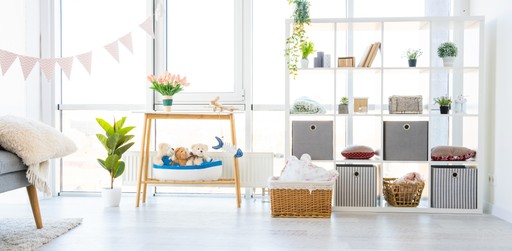
Use storage systems that work for your space. Shelves, bins, drawers, and containers help maximize space and keep items visible and accessible. Label everything clearly so anyone in the household knows where items belong. This step transforms a cluttered space into an organized one where you can find anything quickly.
Step 3: Shine (Seiso)
Shine means to clean and inspect your space thoroughly. With fewer items and better organization, deep cleaning becomes much easier. Clean surfaces, remove dust, wipe down shelves, and check for damage or areas needing maintenance. This step reveals problems—broken items, water stains, or areas needing repair—that were hidden under clutter.
{{cta|primary|Get Organized Today|The right storage solutions make the 5S method even more effective.|Shop Organization Supplies|https://www.amazon.com/s?k=home+organization+storage|#E38836|#FFF8F0}}
Regular cleaning as part of the 5S system maintains a pleasant environment and helps you notice problems early. A clean space is more functional and psychologically pleasing. Set a regular cleaning schedule to maintain the shine step over time.
Step 4: Standardize (Seiketsu)
Standardization means creating consistent habits and systems so your organized space remains organized. Establish rules for placement—determine exactly where items should go and make this standard practice. Create daily or weekly routines to maintain organization—for example, spending 10 minutes each evening returning items to their designated places.
Visual management helps with standardization. Labels, color-coding, and clear container visibility help everyone understand the system. Document your organizational system so it remains consistent even if you're busy or other household members need guidance. Written standards ensure long-term maintenance.
Step 5: Sustain (Shitsuke)
Sustain is the most important step—maintaining the organization achieved in the previous four steps. This requires discipline and consistency. Make returning items to their proper places a habit. Conduct regular reviews—monthly checks to ensure nothing has slipped into disorganization. When new items enter your space, immediately assess whether they belong and where they fit in the system.
Sustain also means adapting your system as needs change. If you find certain items are rarely used, move them to less accessible storage. If other items are frequently needed, move them to more convenient locations. Your organizational system should evolve with your changing needs.
Applying 5S to Different Spaces
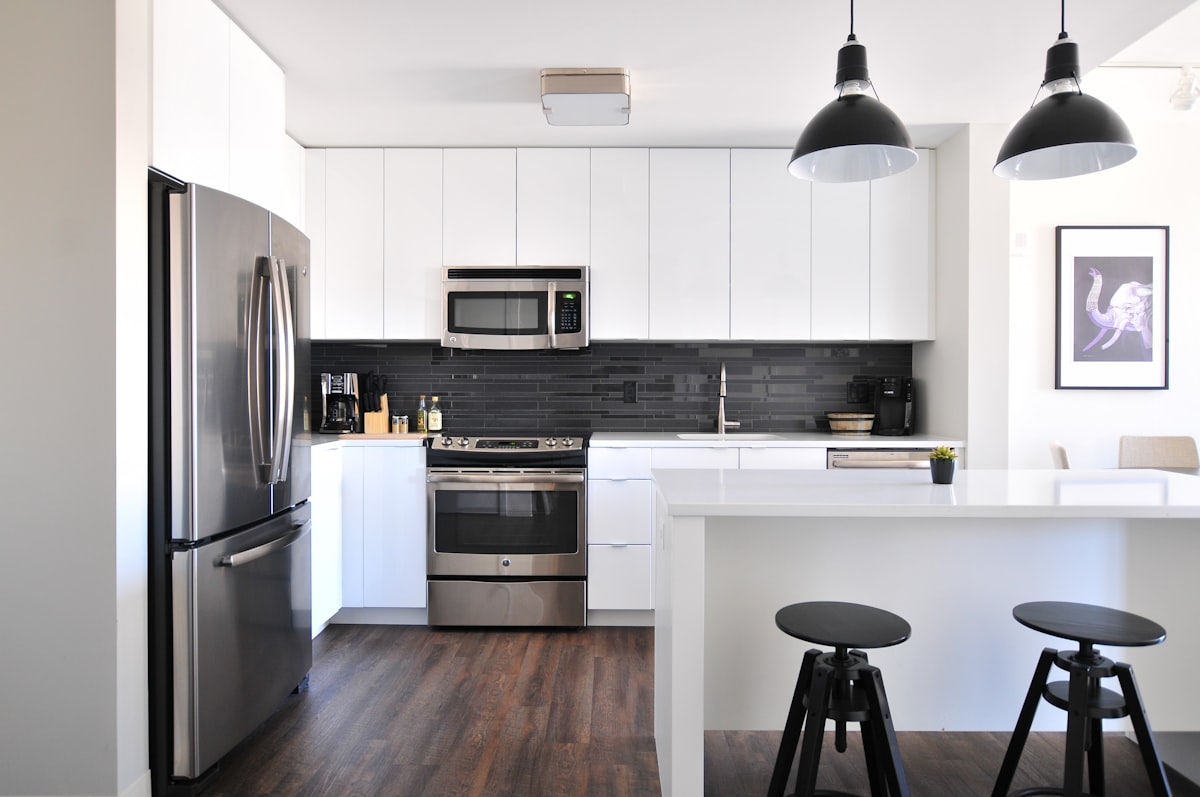
Kitchen: Sort through kitchen items, keeping only the tools and dishes you use. Organize frequently-used items at eye level, less-used items on higher shelves. Deep clean all surfaces and appliances. Establish a standard for where items should go and maintain it through daily tidying. Check the system monthly and adjust as needed.
Bedroom: Sort through clothing, keeping only items that fit and make you feel good. Arrange clothes by type and color. Implement a system for putting away clothes each night. Deep clean under the bed and in closets. Maintain the system through consistent daily tidying habits.
Home Office: Organize documents and supplies logically. Keep frequently-referenced items visible and accessible. Deep clean your workspace, including dusting electronics. Establish a filing system and stick to it. Review and reorganize monthly to prevent clutter accumulation.
Benefits of 5S Organization
Implementing 5S provides numerous benefits beyond a neat appearance. First, productivity increases dramatically—you spend less time searching for items and more time on tasks that matter. Second, safety improves—clutter creates hazards, and organized spaces are safer. Third, stress decreases—living and working in orderly spaces reduces mental load and anxiety.
Additionally, 5S creates a more pleasant environment that you enjoy spending time in. An organized space looks professional and makes a positive impression on visitors. The system also protects your belongings—organized storage prevents damage and extends the life of your possessions.
Overcoming Common 5S Challenges
Difficulty letting go of items is common. Remember that items serve you—if they're not useful or meaningful, they're taking up space without providing value. Sentimental items are valid to keep, but be selective—you don't need to keep every reminder of a person or period in your life.
Lack of motivation can derail 5S implementation. Start with one small space rather than tackling your entire home. Success with one area builds momentum and motivation for larger projects. Involve family members in the process—organizing together is more enjoyable and creates shared commitment to maintaining the system.
Inconsistency in maintaining organization happens when standards aren't clear or when the system doesn't match your actual habits. Be realistic about how you'll use your space and design your system accordingly. If you naturally leave items on the counter, create a counter organization system rather than fighting your nature.
{{cta|minimal|Love an organized home?|See our other home improvement guides for more practical tips.|Browse Home Guides|https://www.bestdealguide.com/blog|#E38836|}}
5S as a Lifestyle
5S is not a one-time project but a lifestyle approach to organization. Once you've gone through the initial five steps, maintaining them becomes automatic. The mental shift that occurs during 5S implementation—questioning what you need and intentionally choosing what to keep—often continues, leading to more mindful consumption and a life focused on what truly matters.
The benefits extend beyond physical organization. A systematic approach to your environment develops discipline, focus, and intentionality that carries into other areas of life. Whether applied to home, office, or any personal space, the 5S methodology provides proven strategies for creating and maintaining order that supports productivity, safety, and wellbeing.
{{faq-start|5S Organization — Frequently Asked Questions|A systematic approach to any space|#E38836}}
{{faq-q|What does 5S stand for?}}
{{faq-a|Sort, Set in Order, Shine, Standardize, and Sustain. Originally developed for manufacturing by Toyota, the 5S method is equally effective for homes, offices, and any space that needs organizing. Each step builds on the previous one.}}
{{faq-q|How long does the 5S process take?}}
{{faq-a|A single room or closet can be completed in 2-4 hours. An entire home typically takes a full weekend. The key is completing all five steps for one area before moving to the next, rather than half-finishing multiple spaces.}}
{{faq-q|What if my family doesn't follow the system?}}
{{faq-a|Make the system as intuitive as possible—clear labels, designated spots that make sense, and easy-to-maintain storage solutions. Involve family members in the 'Set in Order' step so they have ownership of the organization system.}}
{{faq-q|How do I decide what to keep?}}
{{faq-a|During the Sort step, ask: Have I used this in the past year? Does it have genuine sentimental value? Would I buy it again? If the answer is no to all three, it's a candidate for donation or disposal. Be honest with yourself.}}
{{faq-q|How do I maintain organization long-term?}}
{{faq-a|The 'Sustain' step is the hardest. Schedule a 15-minute daily reset and a monthly check-in. The one-in-one-out rule also helps—when something new comes in, something old goes out. Organization is a practice, not a one-time event.}}
{{faq-end}}