How Residential Solar Works: ROI, Incentives, and Evaluating Installer Quotes

How Solar Panels Generate Electricity
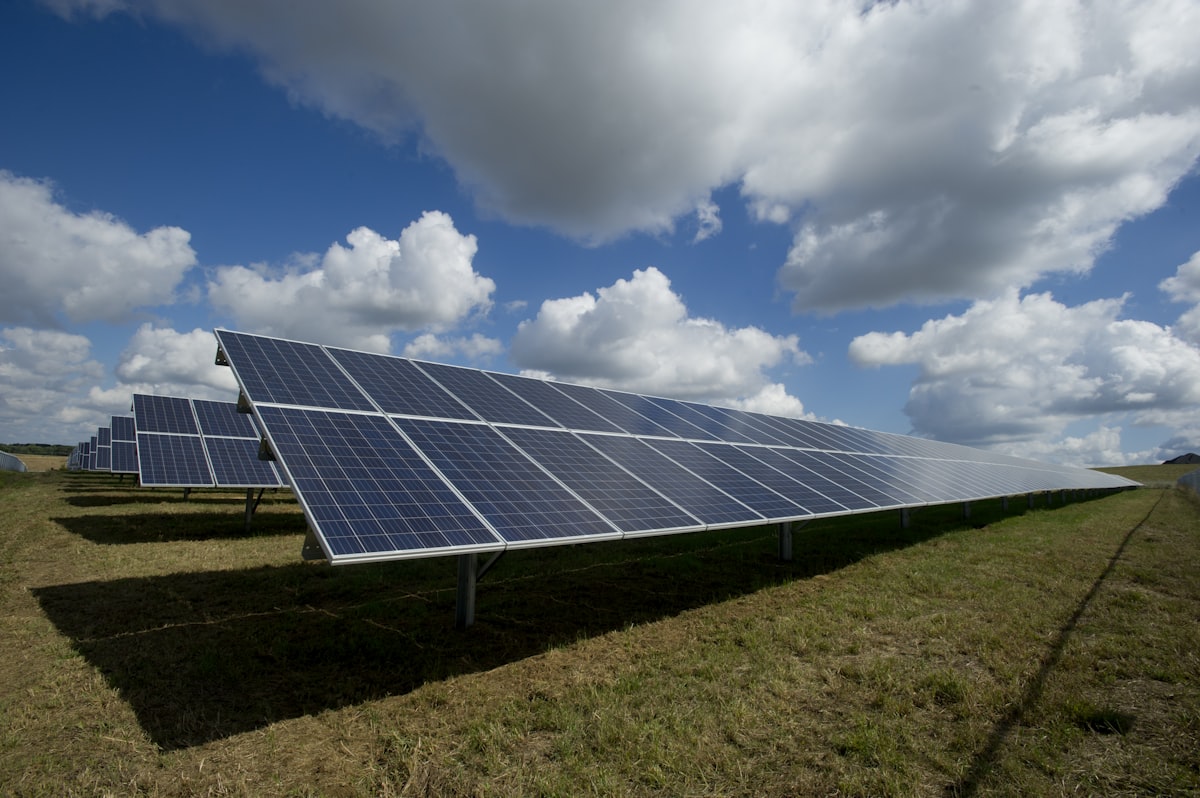
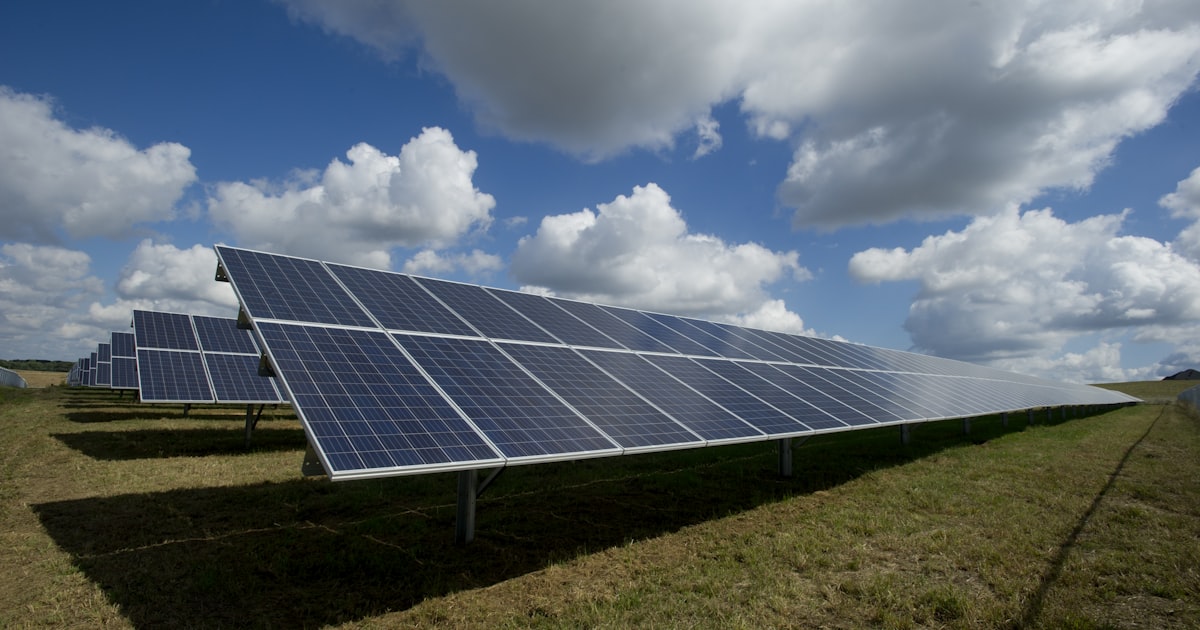
Solar panels convert sunlight into electricity through photovoltaic (PV) cells, typically made of silicon. When sunlight hits these cells, it knocks electrons loose from their atoms, creating a flow of direct current (DC) electricity. An inverter then converts that DC power into alternating current (AC), which is what your home's appliances and electrical systems use. The entire process is silent, requires no fuel, and produces zero emissions during operation.
Most residential systems are grid-tied, meaning they remain connected to your local utility. When your panels produce more electricity than you consume, the excess flows back to the grid and you receive a credit on your utility bill through a process called net metering. At night or on cloudy days, you draw power from the grid as usual. Battery storage systems like the Tesla Powerwall add the ability to store excess energy for use during outages or peak-rate hours, though they increase the upfront cost significantly.
What Affects Your Return on Investment
The financial case for solar depends on several location-specific factors. Your electricity rate is the most important — homeowners paying more than 15 cents per kilowatt-hour typically see the strongest returns. Sun exposure matters too: south-facing roofs with minimal shading produce the most energy, while east or west-facing installations generate roughly 10 to 20 percent less. Your roof's age and condition also factor in, since installing panels on a roof that needs replacement within five years means paying to remove and reinstall the system.
System size, measured in kilowatts (kW), should be matched to your actual electricity consumption. Oversizing a system wastes money if your utility caps net metering credits, while undersizing leaves savings on the table. A good installer will analyze 12 months of your utility bills to recommend the right capacity. Average residential systems range from 6 to 12 kW and cost between $15,000 and $30,000 before incentives.
{{cta|primary|Is Solar Right for Your Home?|Take our 60-second quiz to see if your home is a good candidate for solar panels.|See My Options|https://topconsumerreport.com/home-garden/how-do-solar-panels-drive-sustainability-en-us/?utm_source=leadgen&headline=How+Do+Solar+Panels+Drive+Sustainability?&s1pcid=SolarPanels&forceKeyA=Solar+Panels+for+Home&forceKeyB=Solar+Panel+Installation+Cost&forceKeyC=Best+Solar+Panel+Companies&forceKeyD=Solar+Panels+for+Seniors&forceKeyE=Home+Solar+Panel+Programs&forceKeyF=Solar+Panel+Quotes+Near+Me&segment=rsoc.mm.topconsumerreport.001|#E38836|#FFF8F0}}
Federal and State Incentives
The federal Residential Clean Energy Credit provides a 30 percent tax credit on the total cost of a solar installation, including panels, inverter, battery storage, and installation labor. There is no cap on the credit amount, and it applies to systems installed through 2032. If your tax liability is less than the credit amount in a given year, you can carry the remaining balance forward to future tax years.
State and local incentives vary widely but can significantly improve your payback period. Some states offer additional tax credits, rebates, or performance-based incentives that pay you for each kilowatt-hour your system produces. Property tax exemptions ensure that the added home value from solar panels does not increase your property tax bill. The Database of State Incentives for Renewables and Efficiency (DSIRE) maintains a comprehensive, searchable directory of programs available in your area.
Buying vs. Leasing vs. PPA
Purchasing your system outright or through a solar loan gives you full ownership, the federal tax credit, and the highest long-term savings. A cash purchase eliminates interest costs entirely, while solar loans let you spread payments over 10 to 25 years with rates typically between 4 and 8 percent.
Solar leases and power purchase agreements (PPAs) require no upfront investment. A third party owns the system on your roof and you either pay a fixed monthly lease payment or buy the electricity at a predetermined rate. These options make solar accessible to homeowners who cannot use the tax credit, but the total savings over 25 years are substantially lower than ownership. You also do not benefit from increased home value since the system belongs to the leasing company.
{{cta|minimal|DSIRE Incentives Database|Search federal, state, and local incentives available for solar in your area.|Search Incentives →|https://topconsumerreport.com/home-garden/how-do-solar-panels-drive-sustainability-en-us/?utm_source=leadgen&headline=How+Do+Solar+Panels+Drive+Sustainability?&s1pcid=SolarPanels&forceKeyA=Solar+Panels+for+Home&forceKeyB=Solar+Panel+Installation+Cost&forceKeyC=Best+Solar+Panel+Companies&forceKeyD=Solar+Panels+for+Seniors&forceKeyE=Home+Solar+Panel+Programs&forceKeyF=Solar+Panel+Quotes+Near+Me&segment=rsoc.mm.topconsumerreport.001|#E38836|#FFF8F0}}
How to Evaluate Installer Quotes
Get at least three quotes from different installers and compare them on a cost-per-watt basis, which normalizes pricing across different system sizes. As of 2026, average installed costs range from $2.50 to $3.50 per watt before incentives. Be wary of quotes that fall significantly below or above this range without clear justification.
Beyond price, evaluate the equipment being proposed. Tier-1 panel manufacturers like LG, REC, and Canadian Solar offer better warranties and longer-term reliability. Microinverters and power optimizers cost more than string inverters but perform better on roofs with partial shading. Ask about warranty coverage — a standard package includes 25 years on panels, 12 to 25 years on inverters, and 10 years on workmanship. Finally, check the installer's licensing, insurance, certifications (NABCEP is the gold standard), and customer reviews.
{{cta|banner|More Home & Living Guides|From energy efficiency to renovation ROI — explore our full library.|Browse All Guides|https://www.bestdealguide.com/blog|#E38836|#FFF8F0}}
{{faq-start|Residential Solar FAQ|Common questions about home solar panel systems|#E38836}}
{{faq-q|How long does it take for solar panels to pay for themselves?}}
{{faq-a|The average payback period for residential solar in the United States is 7 to 12 years, depending on your electricity rate, system cost, available incentives, and sun exposure. After the payback period, the electricity your system generates is essentially free for the remaining 15 to 18 years of the panel warranty.}}
{{faq-q|Do solar panels work on cloudy days?}}
{{faq-a|Yes, though at reduced output. Solar panels generate electricity from daylight, not direct sunlight alone. On a heavily overcast day, panels typically produce 10 to 25 percent of their rated capacity. Annual production estimates account for local weather patterns.}}
{{faq-q|How much do solar panels increase home value?}}
{{faq-a|Studies by Zillow and the Lawrence Berkeley National Laboratory found that homes with owned solar systems sell for 3 to 4 percent more on average. On a $400,000 home, that translates to $12,000 to $16,000 in additional value. Leased systems generally do not add value because the buyer must assume the lease.}}
{{faq-q|Do I need a new roof before installing solar?}}
{{faq-a|If your roof is more than 15 years old or shows signs of wear, it is usually best to replace it before installing panels. Removing and reinstalling a solar array to reroof later adds $1,500 to $3,000 in labor costs. Some solar companies offer roof replacement as part of their installation package.}}
{{faq-q|What happens to solar panels during a power outage?}}
{{faq-a|Grid-tied systems without battery storage automatically shut down during outages for safety reasons — this prevents your panels from sending electricity into lines that utility workers may be repairing. A battery storage system allows you to power essential circuits during outages independently of the grid.}}
{{faq-end}}
This article is for informational purposes only and does not constitute financial or energy advice. Consult a certified solar installer for an assessment specific to your property.