Home Improvements That Deliver the Best Return on Investment

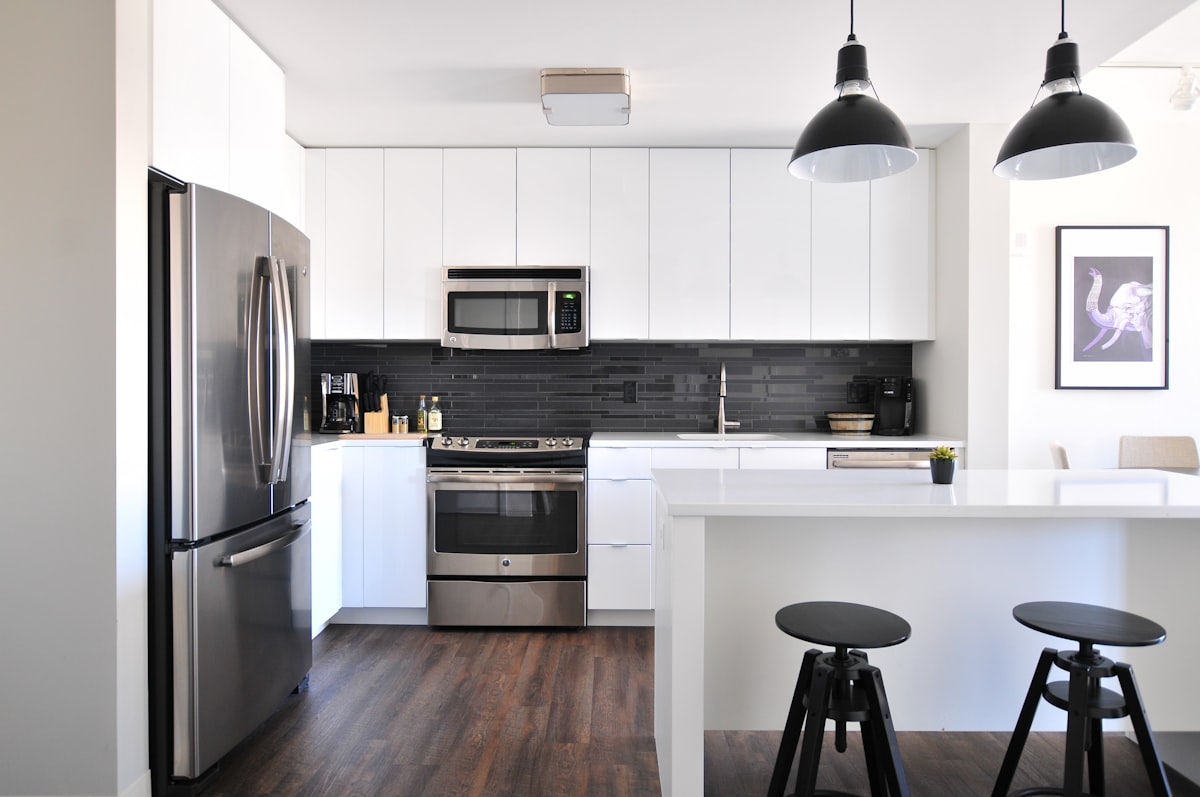
Home improvements are one of the largest discretionary investments homeowners make, yet the return on that investment varies wildly depending on what you renovate, how you do it, and your local market. A project that recoups 90% of its cost in one region might return only 50% in another. Understanding which improvements deliver the strongest financial returns — versus which ones you do purely for livability — can help you make smarter decisions with your renovation budget.
The Highest-ROI Improvements
Year after year, certain projects consistently rank at the top of ROI analyses. Garage door replacement typically recoups 90-100% of its cost because it's one of the first things buyers notice and it's relatively affordable. Manufactured stone veneer on the front exterior delivers a similar return by dramatically improving curb appeal. A minor kitchen remodel — refacing cabinets, updating hardware, replacing countertops and appliances without changing the layout — consistently returns 70-80% of its cost, far outperforming a major kitchen gut renovation which often returns only 50-60%.
Curb Appeal Projects
First impressions matter enormously in real estate. Exterior improvements tend to deliver disproportionately high returns because they affect how every visitor and potential buyer perceives your home. Fresh exterior paint or updated siding, a new front door, landscaping improvements, updated outdoor lighting, and a clean, well-maintained driveway and walkway all contribute to curb appeal. Many of these projects are relatively affordable but create an outsized visual impact. A $200 investment in landscaping can shift a buyer's perception of an entire property.
{{cta|primary|Need to Finance Your Home Improvements?|See home improvement loan and financing options that fit your budget and credit.|See Financing Options|https://topconsumerreport.com/finance/unlocking-the-benefits-of-home-improvement-financing-en-us/?utm_source=leadgen&segment=rsoc.mm.topconsumerreport.001&headline=Unlocking+the+Benefits+of+Home+Improvement+Financing&forceKeyA=home+improvement+loans+for+bad+credit&forceKeyB=home+improvement+loan+bad+credit&forceKeyC=loans+for+home+improvement+bad+credit&forceKeyD=home+improvement+personal+loan&forceKeyE=best+home+improvement+loans&forceKeyF=home+improvement+loans+no+equity&s1pcid=HomeImprovementLoans|#E38836|#FFF8F0}}
Kitchen and Bathroom Updates
Kitchens and bathrooms drive home values, but the key is proportional investment. Minor updates — painting cabinets, replacing hardware, installing new fixtures, upgrading lighting — often deliver better returns than full renovations because the cost-to-value ratio is more favorable. If your kitchen is functional but dated, a $15,000-$25,000 refresh will likely return more percentage-wise than a $75,000 gut renovation. For bathrooms, focus on clean and modern over luxurious: updated vanities, new tile, modern fixtures, and good lighting make the biggest difference.
Energy Efficiency Upgrades
Energy improvements offer a dual return: lower monthly utility costs and increased home value. Insulation upgrades (especially attic insulation), high-efficiency windows, smart thermostats, and modern HVAC systems reduce operating costs immediately while making the home more attractive to buyers who increasingly consider energy costs. Solar panels can add significant value depending on your location and local energy costs, though the payback period varies. LED lighting throughout the home is one of the cheapest and easiest upgrades with immediate savings.
{{cta|minimal|Compare Home Improvement Financing|See loan options that can fund your next renovation project.|See My Options|https://topconsumerreport.com/finance/unlocking-the-benefits-of-home-improvement-financing-en-us/?utm_source=leadgen&segment=rsoc.mm.topconsumerreport.001&headline=Unlocking+the+Benefits+of+Home+Improvement+Financing&forceKeyA=home+improvement+loans+for+bad+credit&forceKeyB=home+improvement+loan+bad+credit&forceKeyC=loans+for+home+improvement+bad+credit&forceKeyD=home+improvement+personal+loan&forceKeyE=best+home+improvement+loans&forceKeyF=home+improvement+loans+no+equity&s1pcid=HomeImprovementLoans|#E38836|#FFF8F0}}
What Not to Over-Invest In
Some projects feel like improvements but don't return their cost. Swimming pools are the classic example — they cost $40,000-$80,000 to install and often add only a fraction of that to home value while increasing maintenance costs and liability. Highly personalized renovations (a home theater, a wine cellar, an overly custom kitchen) appeal to your taste but may not align with what the next buyer wants. Converting a bedroom into a specialized space (gym, office) can actually decrease value if it reduces the home's bedroom count. And over-improving for your neighborhood — putting a $100,000 kitchen in a $250,000 home — rarely recoups the investment.
{{cta|banner|More Home & Living Guides on BDG|Browse our full library of homeownership articles and tools.|Read More|/blog|#E38836|#FFF8F0}}
{{faq-start|Frequently Asked Questions||#E38836}}
{{faq-q|What home improvement has the highest ROI?}}
{{faq-a|Garage door replacement and manufactured stone veneer consistently top the list, often recouping 90-100% of project cost. Minor kitchen remodels and entry door replacements also perform well. The common thread is high visual impact at a relatively modest cost.}}
{{faq-q|Should I renovate before selling my home?}}
{{faq-a|Focus on high-ROI improvements that address obvious deficiencies: fresh paint, updated fixtures, clean landscaping, and any deferred maintenance. Avoid major renovations right before selling — you're unlikely to recoup the full cost, and buyers may prefer to customize the space themselves.}}
{{faq-q|How do I prioritize renovations on a limited budget?}}
{{faq-a|Address structural and maintenance issues first (roof, plumbing, electrical). Then focus on high-impact, low-cost improvements like paint, hardware, fixtures, and landscaping. Save expensive layout changes and luxury upgrades for when budget allows or when you plan to stay long-term.}}
{{faq-q|Is a kitchen remodel worth it?}}
{{faq-a|A minor kitchen remodel (cosmetic updates without changing layout) typically returns 70-80% of its cost and significantly improves daily livability. A major gut renovation returns less percentage-wise but may be necessary if the existing layout is truly dysfunctional.}}
{{faq-q|Do home improvements increase my property taxes?}}
{{faq-a|Significant improvements that increase your home's assessed value can trigger a property tax increase. The impact depends on your local assessment practices. Cosmetic updates rarely trigger reassessment, while additions, major renovations, and new structures are more likely to be noticed.}}
{{faq-end}}
Disclaimer: This article is for informational purposes only. ROI figures are national averages and vary significantly by region. Consult local real estate professionals for market-specific advice.