Is Your Home Fit for Solar Panels? Key Factors to Evaluate

Not Every Home Is Built for Solar
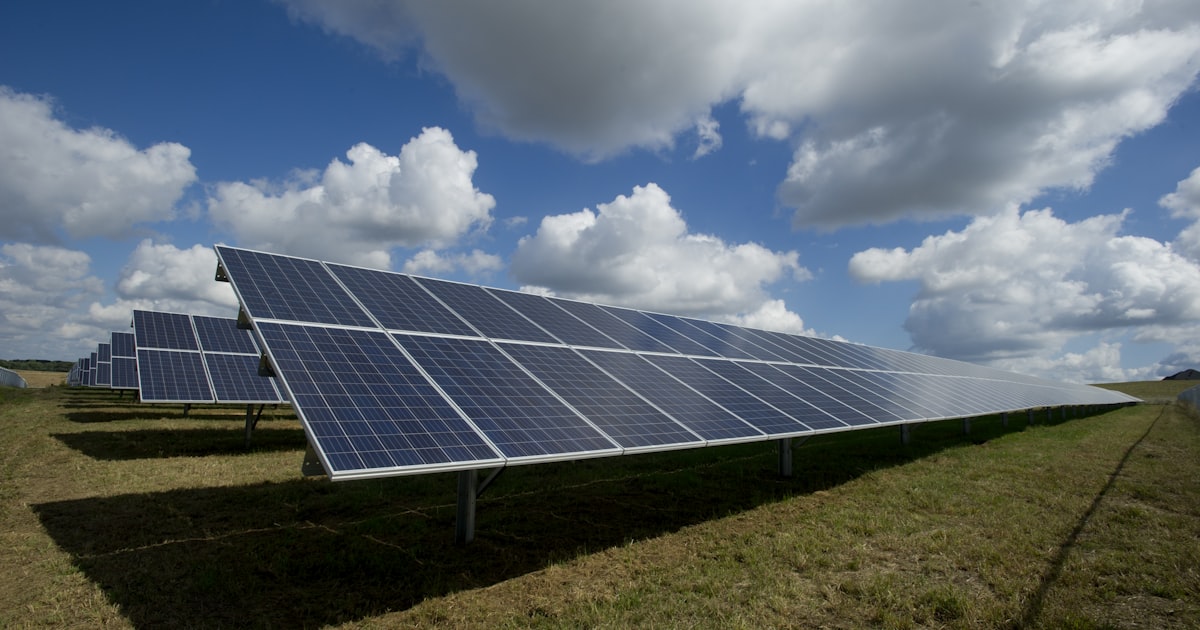
Solar energy can significantly reduce electricity bills and increase property value, but not every home is equally suited for a rooftop installation. Before requesting quotes or committing to a contract, it helps to understand the physical, regulatory, and financial factors that determine whether solar makes sense for your specific property.
A home's solar potential depends on several measurable criteria. Evaluating these upfront can save you time, prevent surprises during the installation process, and help you set realistic expectations for energy production and savings.
Roof Orientation and Angle
In the Northern Hemisphere, south-facing roofs receive the most direct sunlight throughout the day and produce the highest energy output. West-facing and east-facing roofs can still work but typically generate 10 to 20 percent less energy. North-facing roofs are generally not recommended for solar unless the pitch is very low.
Roof angle also matters. The ideal tilt for solar panels in most of the United States is between 15 and 40 degrees, roughly matching the latitude of your location. Flat roofs can accommodate solar with tilted racking systems, though this adds to installation costs. Steep roofs above 45 degrees reduce energy capture during summer months when the sun is high.
Shading and Obstructions
Even partial shading can significantly reduce solar panel output. A single shaded panel in a string inverter system can drag down the performance of the entire string. Trees, chimneys, neighboring buildings, and satellite dishes are common culprits.
Modern solutions like microinverters and power optimizers help mitigate shading impacts by allowing each panel to operate independently. However, if more than 25 percent of your roof is shaded during peak sun hours (roughly 9 AM to 3 PM), the economics of solar become less favorable. A solar site assessment, often offered free by installers, uses satellite imagery and shading analysis tools to estimate your specific production potential.
{{cta|primary|See If Solar Makes Sense for Your Home|Take our quick quiz to evaluate your home's solar readiness based on roof type, location, and energy usage.|Take the Quiz|https://bestdealguide.com/quiz/home-fit-for-solar-quiz|#E38836|#FFF8F0}}
Roof Condition and Material
Solar panels are designed to last 25 to 30 years. If your roof needs replacement within the next 5 to 10 years, it makes financial sense to reroof first. Removing and reinstalling solar panels for a roof replacement typically costs $1,500 to $6,000, eating into your solar savings.
Most roofing materials work well with solar. Composite shingle and standing seam metal roofs are the easiest and least expensive to install on. Tile roofs require specialized mounting hardware and more careful installation, adding $1,000 to $3,000 to project costs. Wood shake and slate roofs are the most challenging and expensive to work with.
Local Regulations and Incentives
Permitting requirements, HOA restrictions, and interconnection policies vary significantly by location. Some municipalities have streamlined solar permitting to a same-day process, while others require engineering reviews that can take weeks. HOAs in many states cannot legally prohibit solar installations, though they may have aesthetic guidelines about panel placement.
Net metering policies determine how much credit you receive for excess energy sent back to the grid. States with full retail-rate net metering offer the best economics. Some utilities have shifted to time-of-use rates or reduced export credits, which changes the payback calculation. The federal Investment Tax Credit currently covers 30 percent of installation costs, and many states offer additional rebates or credits.
{{cta|minimal|Check Solar Incentives in Your State|The DSIRE database tracks all federal and state renewable energy incentives.|Find Incentives|https://www.dsireusa.org/|#E38836|#FFF8F0}}
Energy Usage and Financial Fit
Solar makes the most financial sense for households with monthly electric bills above $100. The higher your electricity costs, the faster the system pays for itself. Average residential solar systems cost $15,000 to $25,000 before incentives, with payback periods typically ranging from 6 to 12 years depending on location and utility rates.
Financing options include cash purchase, solar loans, and leases or power purchase agreements. Cash purchases offer the highest long-term savings. Solar loans let you own the system while spreading costs over 10 to 25 years. Leases and PPAs require no upfront cost but provide smaller savings and you do not own the equipment.
{{cta|banner|More Home & Living Guides|Explore our full library of home improvement and energy articles.|Browse Articles|https://bestdealguide.com/blog|#E38836|#FFF8F0}}{{faq-start}}{{faq-q}}How much roof space do you need for solar?{{faq-a}}A typical residential solar system requires 300 to 500 square feet of unobstructed roof space. Each panel is approximately 18 square feet and produces around 400 watts. A 6-kilowatt system needs about 15 panels or roughly 270 square feet.{{faq-q}}Can you install solar on a flat roof?{{faq-a}}Yes, flat roofs can accommodate solar panels using tilted racking systems that angle panels toward the sun. This adds some installation cost but can actually make maintenance easier since panels are more accessible.{{faq-q}}Do solar panels work in cloudy climates?{{faq-a}}Solar panels still produce energy on cloudy days, though at reduced capacity. Cities like Seattle and Portland have thriving solar markets because panels produce energy year-round. Annual sunshine hours matter more than daily weather patterns.{{faq-q}}How long do solar panels last?{{faq-a}}Most solar panels are warranted for 25 years and continue producing energy well beyond that. Panels typically degrade at about 0.5 percent per year, meaning they still produce roughly 87 percent of their original output after 25 years.{{faq-q}}Will solar panels damage my roof?{{faq-a}}When properly installed, solar panels actually protect the portion of roof they cover from weather and UV degradation. Reputable installers use flashing and sealants that maintain roof integrity. Always verify that your installer carries proper licensing and insurance.{{faq-end}}
Disclaimer: This article is for informational purposes only and does not constitute financial or professional advice. Solar economics vary by location, utility rates, and individual circumstances. Consult a licensed solar installer for a site-specific assessment.