How to Build an Emergency Fund From Scratch

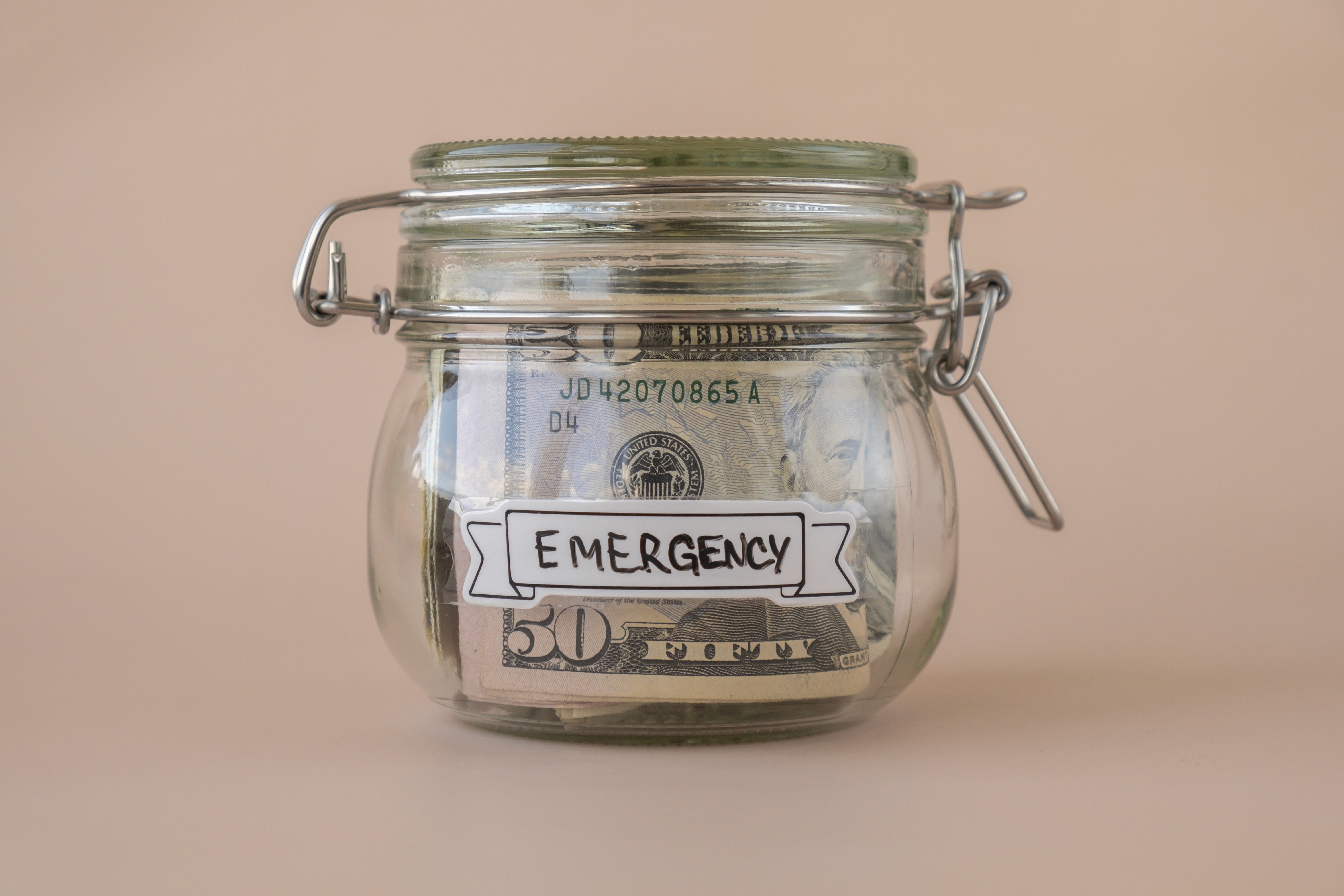
Life has a way of throwing expensive curveballs when you least expect them. A sudden car repair, an unexpected medical bill, a job loss, or a broken appliance can quickly derail your finances if you're not prepared. According to a widely cited Federal Reserve survey, nearly 40 percent of Americans cannot cover an unexpected $400 expense without borrowing money or selling something. An emergency fund is the single most important financial safety net you can build, and the good news is that anyone can start one regardless of income level. This guide walks you through the entire process from zero to fully funded.
What Is an Emergency Fund and Why Does It Matter?
An emergency fund is a dedicated savings account specifically set aside for unexpected expenses or financial emergencies. It is not your vacation fund, your holiday shopping account, or your down payment savings. It exists for one purpose only: to protect you when something goes wrong financially. Without one, a single unexpected expense can trigger a chain reaction of debt — credit card charges, payday loans, borrowing from retirement accounts — that can take years to recover from.
The psychological benefits are just as significant as the financial ones. Knowing you have a financial cushion dramatically reduces stress and anxiety about money. Studies from the Consumer Financial Protection Bureau show that people with even a small emergency fund report significantly higher financial well-being scores than those without one, regardless of income. It changes your relationship with money from one of fear and reaction to one of confidence and control.
How Much Should You Save?
The traditional advice is to save three to six months of essential living expenses. However, the right amount for you depends on your personal situation. If you have a stable salaried job with benefits, three months may be sufficient. If you're self-employed, work on commission, have a single income household, or work in a volatile industry, six to twelve months provides much more security.
Your Situation | Recommended Fund Size | Why |
|---|---|---|
Dual income, stable jobs | 3 months of expenses | Two income sources provide natural redundancy |
Single income, stable job | 4-6 months of expenses | No backup income if you lose your job |
Self-employed or freelance | 6-9 months of expenses | Income is variable and unpredictable |
Single parent | 6-9 months of expenses | Higher responsibility with less flexibility |
Commission-based income | 6-12 months of expenses | Income can fluctuate dramatically month to month |
Volatile industry (tech layoffs, seasonal) | 6-12 months of expenses | Job searches may take longer in specialized fields |
To calculate your target, add up your monthly essential expenses: rent or mortgage, utilities, groceries, insurance premiums, minimum debt payments, transportation, and any other bills you absolutely must pay. Do not include discretionary spending like dining out, entertainment, or subscriptions. Multiply that essential monthly total by the number of months appropriate for your situation.
{{cta|primary|Need Cash Before Your Fund Is Ready?|If an unexpected expense can't wait, see the emergency loan and funding options available to you.|See My Options|https://topconsumerreport.com/finance/how-do-emergency-loans-work-and-who-qualifies-en-us/?utm_source=leadgen&segment=rsoc.mm.topconsumerreport.001&headline=How+Do+Emergency+Loans+Work+and+Who+Qualifies?&forceKeyA=emergency+loans+no+credit+check+guaranteed+approval&forceKeyB=emergency+loans+bad+credit+same+day&forceKeyC=emergency+loans+for+bad+credit+direct+lenders&forceKeyD=emergency+cash+loans+same+day+deposit&forceKeyE=emergency+loan+same+day+approval&forceKeyF=emergency+personal+loans+no+credit+check&s1pcid=EmergencyLoans|#E38836|#FFF8F0}}
Where to Keep Your Emergency Fund
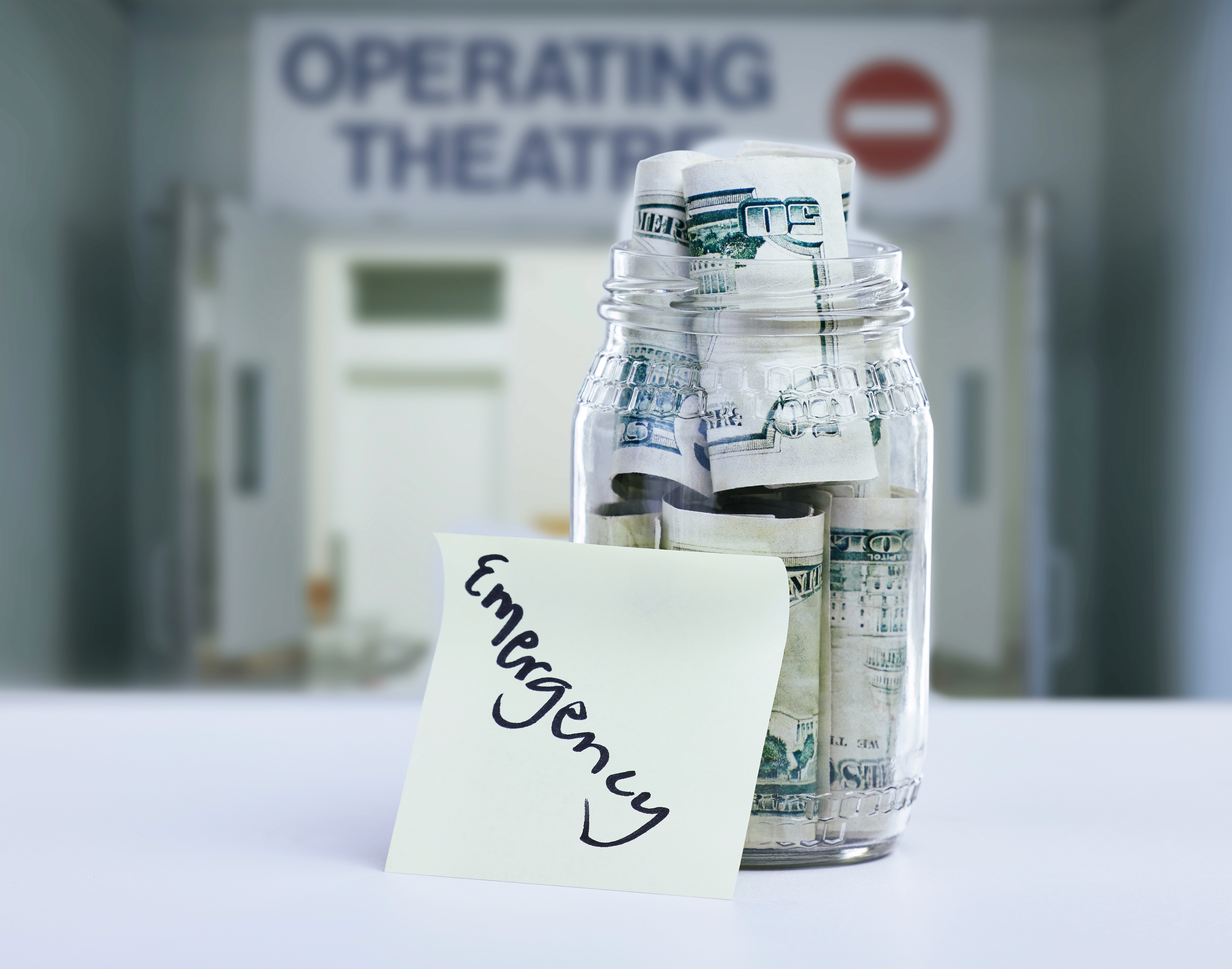
Your emergency fund needs to be accessible quickly but not so accessible that you're tempted to dip into it for non-emergencies. The best option for most people is a high-yield savings account at an online bank. These accounts currently offer interest rates between 4.5 and 5.0 percent APY, which is significantly more than the 0.01 percent most traditional banks offer. Your money stays liquid while earning meaningful interest.
Avoid keeping your emergency fund in a checking account where it's too easy to spend, in CDs where it's locked up with early withdrawal penalties, or in investments like stocks where the value can drop right when you need the money most. The purpose of an emergency fund is safety and accessibility, not growth. Think of it as insurance, not an investment.
Step-by-Step: Building Your Fund From Zero
The hardest part of building an emergency fund is starting. When you're living paycheck to paycheck, saving thousands of dollars feels impossible. The key is to break it into small, manageable steps and build momentum gradually. Start with a micro-goal: save your first $500. This small cushion will protect you from the most common emergencies. Once you reach $500, aim for $1,000. Then build toward one month of expenses, then three months, and so on.
The most effective strategy is to automate your savings so the money moves before you can spend it. Set up an automatic transfer from your checking account to your emergency fund every payday. Even $25 per paycheck adds up to $650 per year. The amount matters less than the consistency. Treat this transfer like a bill — non-negotiable, automatic, and invisible.
Strategies to Find Extra Money to Save
If your budget feels impossibly tight, there are two approaches: reduce expenses or increase income. On the expense side, audit your subscriptions ruthlessly. Negotiate your bills: call your insurance company, internet provider, and cell phone carrier and ask for better rates. Switch to generic brands for groceries and medications.
Strategy | Potential Monthly Savings | Annual Impact |
|---|---|---|
Cancel unused subscriptions | $30-$100 | $360-$1,200 |
Negotiate insurance rates | $50-$150 | $600-$1,800 |
Cook at home one more night/week | $60-$100 | $720-$1,200 |
Switch to generic groceries | $40-$80 | $480-$960 |
Reduce energy usage | $20-$50 | $240-$600 |
Sell unused items (one-time) | $200-$1,000+ | One-time boost |
Side hustle income | $200-$1,000+ | $2,400-$12,000+ |
On the income side, consider a temporary side hustle specifically dedicated to funding your emergency account. Frame it as temporary — you're not committing to a second job forever, just until your emergency fund hits your target.
Rules for Using Your Emergency Fund
Once you've built your fund, the biggest challenge is keeping it intact. Define clear rules for what constitutes a true emergency. A genuine emergency is unexpected, necessary, and urgent. A car breakdown that prevents you from getting to work is an emergency. A sale on a television is not. When you do use your emergency fund, immediately create a plan to replenish it.
{{cta|minimal|Need Cash for an Unexpected Expense?|Explore emergency loan options for costs you can't cover from savings yet.|See Emergency Options|https://topconsumerreport.com/finance/how-do-emergency-loans-work-and-who-qualifies-en-us/?utm_source=leadgen&segment=rsoc.mm.topconsumerreport.001&headline=How+Do+Emergency+Loans+Work+and+Who+Qualifies?&forceKeyA=emergency+loans+no+credit+check+guaranteed+approval&forceKeyB=emergency+loans+bad+credit+same+day&forceKeyC=emergency+loans+for+bad+credit+direct+lenders&forceKeyD=emergency+cash+loans+same+day+deposit&forceKeyE=emergency+loan+same+day+approval&forceKeyF=emergency+personal+loans+no+credit+check&s1pcid=EmergencyLoans|#E38836|}}
Common Mistakes to Avoid
The most common mistake is never starting because the goal feels too large. Remember that even $500 in savings puts you ahead of nearly half the population. Don't let perfect be the enemy of good. If you can only save $10 per week right now, save $10 per week. The habit of saving matters more than the amount, especially in the beginning. Every dollar in your emergency fund is a dollar that stands between you and debt the next time life surprises you.
Track Your Progress
{{faq-start|Emergency Funds — Frequently Asked Questions|Building your financial safety net|#E38836}}
{{faq-q|How much should my emergency fund be?}}
{{faq-a|Aim for 3-6 months of essential expenses. If your income is variable or you're the sole earner, target 6-12 months. Start with a $1,000 mini-emergency fund first, then build from there.}}
{{faq-q|Where should I keep my emergency fund?}}
{{faq-a|A high-yield savings account is the best place — accessible when needed but separate from your everyday spending. Avoid investing your emergency fund in stocks, as you might need it when markets are down.}}
{{faq-q|How do I start saving when I'm living paycheck to paycheck?}}
{{faq-a|Start with any amount — even $10 per paycheck. Automate the transfer so it happens before you can spend it. Look for one expense to cut or one small income source to add. Small amounts add up faster than you'd expect.}}
{{faq-q|Should I pay off debt or build an emergency fund first?}}
{{faq-a|Build a small $1,000 emergency fund first, then aggressively pay down high-interest debt. Without an emergency fund, unexpected expenses go on credit cards, creating more debt. It's a both/and situation, not either/or.}}
{{faq-q|Does my emergency fund need to be in cash?}}
{{faq-a|Keep your emergency fund in liquid, immediately accessible savings — not CDs, bonds, or investments with withdrawal penalties. The whole point is that you can access it within 1-2 business days when you need it.}}
{{faq-end}}