The Complete Guide to Improving Your Credit Score

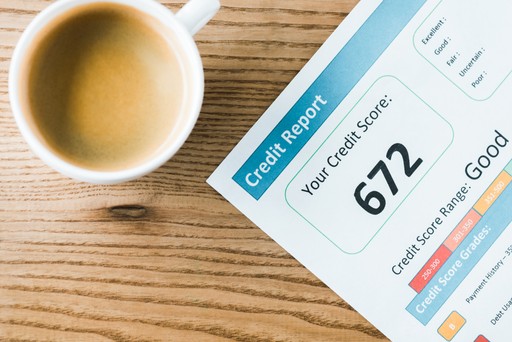
Your credit score is a three-digit number that quietly shapes some of the biggest financial decisions in your life. It determines whether you get approved for a mortgage, what interest rate you pay on a car loan, whether a landlord rents to you, and sometimes even whether you get hired for a job. Yet most people have only a vague understanding of how credit scores actually work, what factors influence them, and what concrete steps they can take to improve them. This comprehensive guide breaks down everything you need to know about credit scores and gives you a practical roadmap to raise yours, whether you're starting from scratch or recovering from past mistakes.
How Credit Scores Work
A credit score is a numerical representation of your creditworthiness, calculated using information from your credit reports at the three major bureaus: Equifax, Experian, and TransUnion. The most widely used scoring model is FICO, which ranges from 300 to 850. VantageScore is another common model that uses the same range. While the exact algorithms are proprietary, both models weigh similar factors in determining your score.
Your score is not a single fixed number. You actually have dozens of different credit scores because each bureau may have slightly different information, and different scoring models weight factors differently. However, they should all be in roughly the same range. If your FICO score at Experian is 720, your score at the other bureaus should be within 20 to 30 points of that number.
Score Range | Rating | What It Means | Typical Loan Rates |
|---|---|---|---|
800-850 | Exceptional | Best rates on everything, easy approvals | Lowest available rates |
740-799 | Very Good | Above-average rates, most approvals | Near-best rates |
670-739 | Good | Acceptable to most lenders | Average rates |
580-669 | Fair | Subprime rates, some denials | Above-average rates |
300-579 | Poor | Difficult to get approved, high rates | Highest rates or denied |
The Five Factors That Determine Your Score
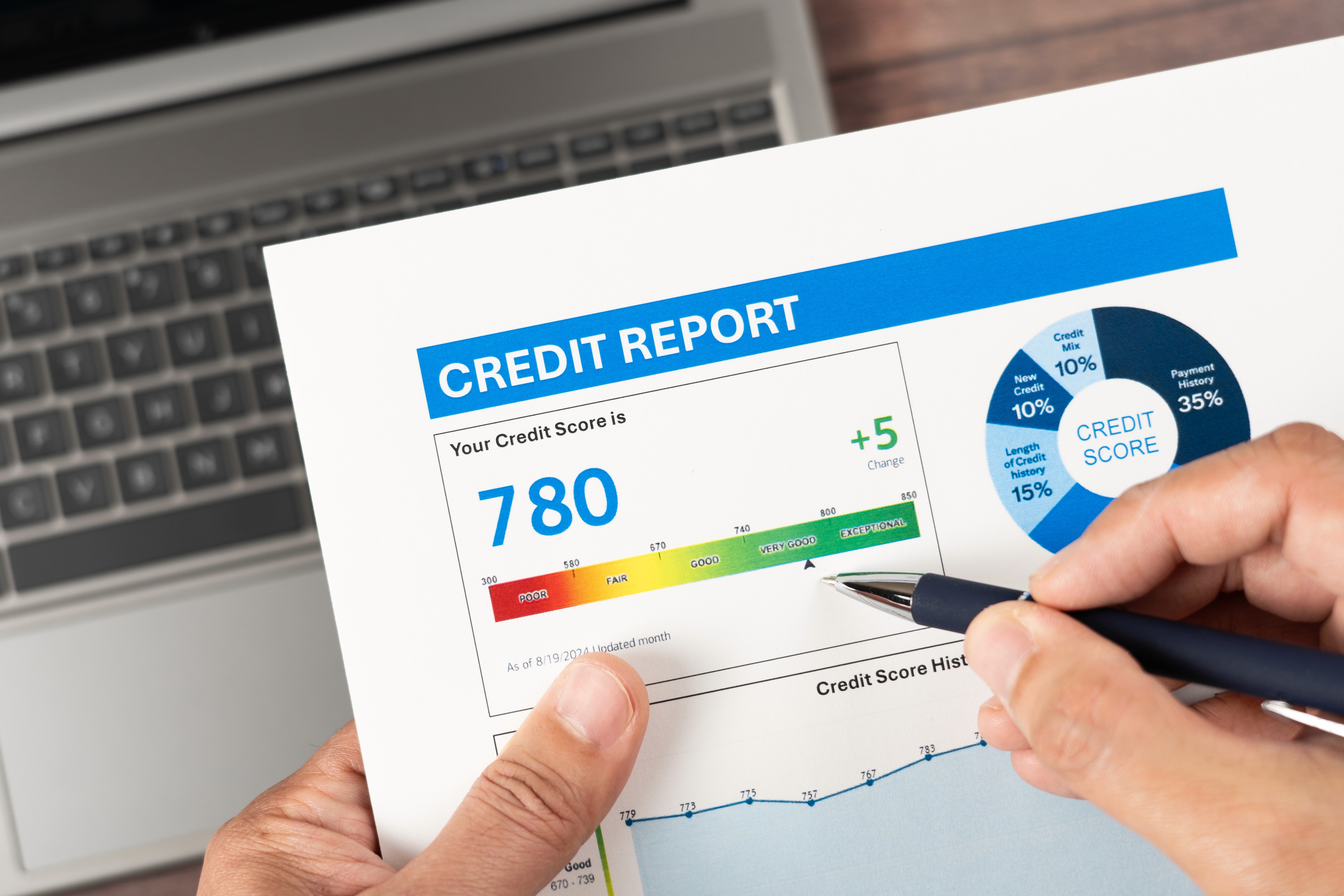
Understanding the five components of your credit score is essential because it tells you exactly where to focus your improvement efforts. Payment history is by far the most important factor, accounting for approximately 35 percent of your FICO score. Even a single late payment can drop your score by 60 to 100 points, and the effect lingers for up to seven years, though its impact diminishes over time. The most powerful thing you can do for your credit is simply pay every bill on time, every month, without exception.
Credit utilization is the second most important factor at roughly 30 percent of your score. This measures how much of your available credit you're actually using. If you have a credit card with a $10,000 limit and a $3,000 balance, your utilization is 30 percent. Experts recommend keeping utilization below 30 percent overall, but people with the highest scores typically keep it below 10 percent. This factor is also one of the fastest to change—paying down a credit card balance can improve your score within a single billing cycle.
{{cta|primary|Check Your Credit Score Free|Monitoring your credit is the first step to improving it. Most banks offer free score tracking.|Get Your Free Score|https://www.bestdealguide.com/blog|#E38836|#FFF8F0}}
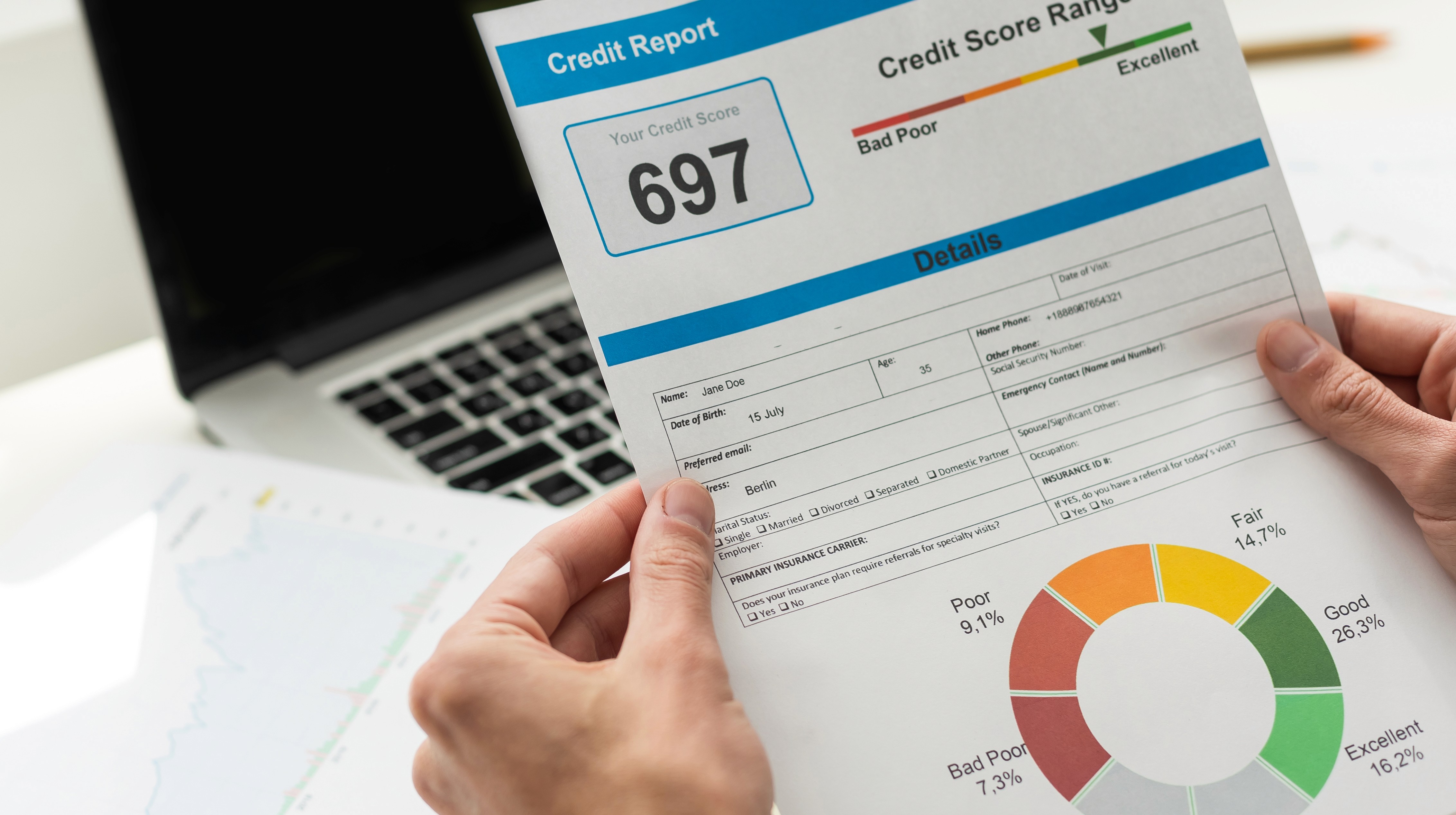
Length of credit history accounts for about 15 percent of your score. This includes the age of your oldest account, the age of your newest account, and the average age of all accounts. This is why financial advisors recommend keeping old credit cards open even if you rarely use them—closing your oldest card shortens your credit history and can lower your score. Credit mix (10 percent) refers to the variety of credit types you have, such as credit cards, auto loans, a mortgage, and student loans. Having a diverse mix shows lenders you can handle different types of credit responsibly.
New credit inquiries make up the remaining 10 percent. Each time you apply for credit and a lender checks your report (a "hard inquiry"), your score may dip slightly. Multiple inquiries in a short period can signal desperation to lenders. However, rate shopping for a mortgage or auto loan within a 14 to 45 day window typically counts as a single inquiry.
Quick Wins: Fastest Ways to Boost Your Score
Some credit improvement strategies take months or years, but several tactics can produce results within 30 to 60 days. The fastest method is paying down credit card balances to reduce your utilization ratio. If your cards are maxed out and you can make a significant payment, you could see a 50 to 100 point improvement in as little as one billing cycle. Even spreading your spending across multiple cards to keep each one below 30 percent utilization helps.
Request a credit limit increase on your existing cards. If your bank raises your limit from $5,000 to $10,000 and your balance stays at $1,500, your utilization drops from 30 percent to 15 percent instantly. Many issuers allow you to request increases online without a hard inquiry. Another quick win is becoming an authorized user on a family member's old, well-managed credit card. Their positive payment history and low utilization can be added to your credit report, boosting your score.
Check your credit reports for errors at AnnualCreditReport.com. Studies by the Federal Trade Commission found that roughly one in five consumers had errors on at least one credit report that could affect their score. Dispute any inaccuracies you find—incorrect late payments, accounts that aren't yours, or wrong balances. The bureaus have 30 days to investigate and correct verified errors.
Long-Term Strategies for Excellent Credit
Building excellent credit is a marathon, not a sprint. Set up automatic payments for at least the minimum due on every account to ensure you never miss a payment. Better yet, set up autopay for the full statement balance on credit cards to avoid interest charges entirely. Use a calendar or app to track due dates if you prefer manual payments.
Strategy | Impact on Score | Time to See Results |
|---|---|---|
Pay down credit card balances | High (up to 100+ points) | 1-2 billing cycles |
Fix credit report errors | Medium to High | 30-45 days |
Become an authorized user | Medium (20-50 points) | 1-2 months |
Request credit limit increases | Medium | Immediate to 1 cycle |
Never miss a payment | High (prevents drops) | Ongoing, compounds over time |
Keep old accounts open | Low to Medium | Gradual, long-term |
Diversify credit types | Low to Medium | 6-12 months |
Limit hard inquiries | Low | Immediate prevention |
If you're building credit from scratch, start with a secured credit card. These cards require a cash deposit (typically $200 to $500) that serves as your credit limit. Use it for small recurring purchases like a streaming subscription, pay the full balance each month, and after 6 to 12 months of responsible use, most issuers will upgrade you to a regular unsecured card and refund your deposit. Credit-builder loans offered by credit unions and fintech companies like Self are another excellent tool for establishing a payment history from zero.
What to Avoid: Common Credit Score Killers
Certain actions can devastate your credit score almost overnight. A single 30-day late payment can drop an excellent score by 60 to 110 points. A collection account, bankruptcy, or foreclosure can cause drops of 150 to 250 points and remain on your report for seven to ten years. Even closing old credit cards can hurt by reducing your available credit and shortening your history.
Avoid maxing out credit cards, even if you pay them off monthly. If your statement closes while the balance is high, that high utilization gets reported to the bureaus. Try to pay down balances before your statement closing date, not just the due date. Also avoid applying for multiple credit cards in a short period—each application generates a hard inquiry and reduces your average account age.
Perhaps the most insidious credit score killer is cosigning loans for others. When you cosign, that debt appears on your credit report as if it were your own. If the primary borrower misses payments, your score takes the hit. No matter how much you trust someone, cosigning puts your credit in someone else's hands.
Monitoring Your Credit
You're entitled to a free credit report from each bureau every week through AnnualCreditReport.com. Many credit cards and banks now provide free FICO score access through their apps or online portals. Take advantage of these tools to monitor your progress and catch potential issues early. Services like Credit Karma provide free VantageScore monitoring and alert you to changes on your report.
{{cta|banner|Ready to Take Control?|See our complete financial guides for budgeting, saving, and investing strategies.|Browse Financial Guides|https://www.bestdealguide.com/blog|#E38836|#FFF8F0}}
Set up fraud alerts if you notice any unfamiliar accounts or inquiries. Identity theft can wreck your credit score, and early detection is key to minimizing damage. Consider a credit freeze if you're not actively applying for new credit—it prevents anyone from opening accounts in your name without your explicit approval, and it's free to set up and lift at all three bureaus.
Improving your credit score is one of the most impactful financial moves you can make. The difference between a 650 and a 750 score on a $300,000 mortgage can save you over $100,000 in interest over the life of the loan. Start with the quick wins, build consistent habits, and be patient. Credit improvement is a process, but the financial benefits compound dramatically over your lifetime.
{{faq-start|Credit Scores — Frequently Asked Questions|Understanding and improving your credit|#E38836}}
{{faq-q|How long does it take to improve a credit score?}}
{{faq-a|You can see improvements within 30-60 days by reducing credit utilization and disputing errors. Recovering from serious negative marks like bankruptcy or collections takes 2-7 years. Consistent good habits produce the best long-term results.}}
{{faq-q|Does checking my credit score lower it?}}
{{faq-a|No. Checking your own score is a 'soft inquiry' and has no impact. Only 'hard inquiries' from credit applications can temporarily lower your score by a few points. Check your own score as often as you want.}}
{{faq-q|What's a good credit score?}}
{{faq-a|Scores range from 300-850. Above 740 is considered excellent and qualifies you for the best rates. 670-739 is good, 580-669 is fair, and below 580 needs improvement. Even small improvements can significantly reduce the interest rates you're offered.}}
{{faq-q|Should I close old credit cards?}}
{{faq-a|Generally, no. Closing old cards reduces your total available credit (hurting your utilization ratio) and shortens your credit history. If a card has no annual fee, keep it open and use it occasionally to prevent automatic closure.}}
{{faq-q|How do I fix errors on my credit report?}}
{{faq-a|Pull your free reports from AnnualCreditReport.com, review each for inaccuracies, and file disputes online with each bureau (Equifax, Experian, TransUnion). They must investigate within 30 days. Correcting errors can produce significant score improvements.}}
{{faq-end}}