Best Indoor Plants That Are Nearly Impossible to Kill

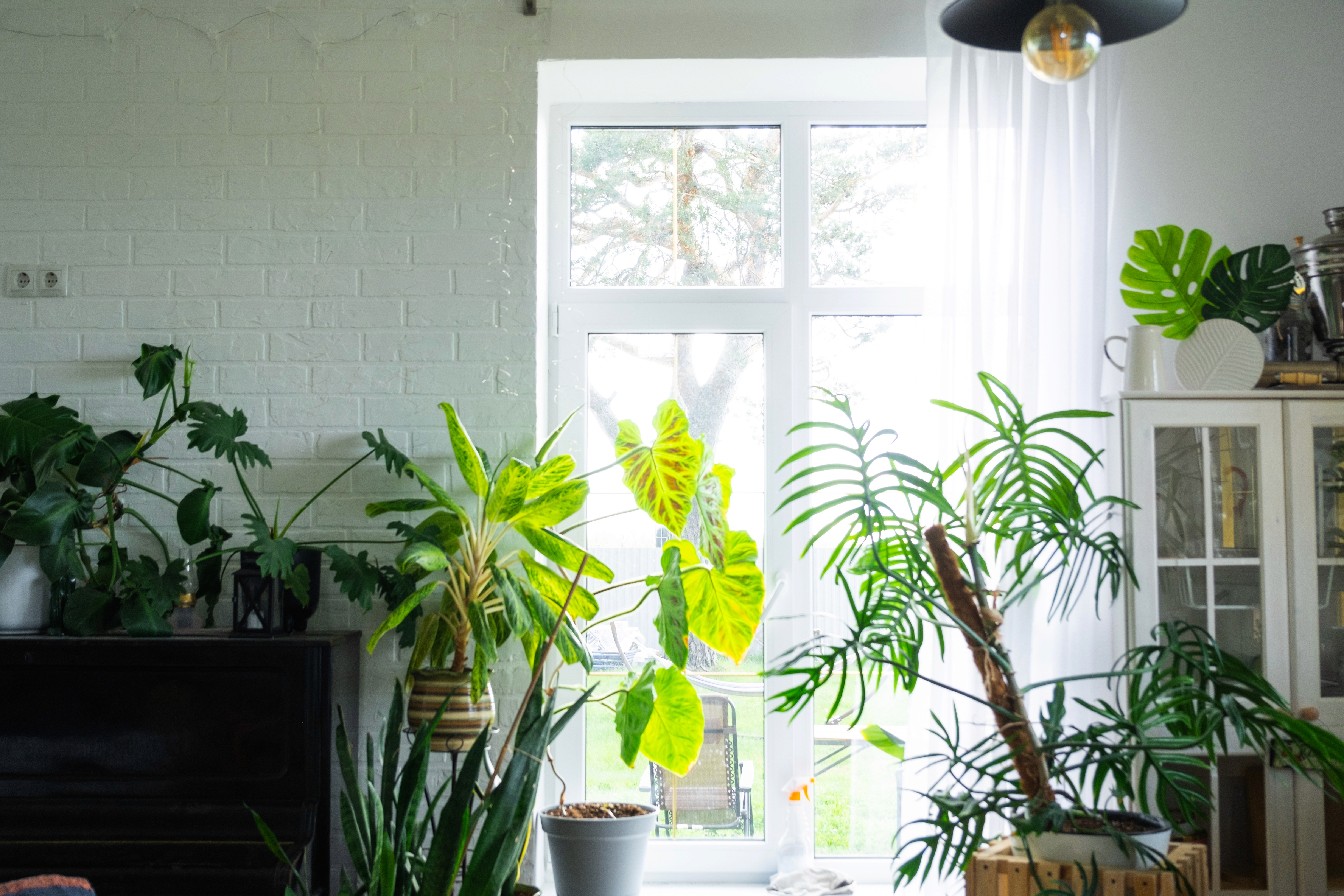
Adding plants to your indoor space brings life, color, and numerous health benefits including improved air quality and reduced stress. However, many people hesitate to bring plants into their homes out of fear they'll kill them. The good news is that many plant varieties are exceptionally forgiving and can thrive even in less-than-ideal conditions. These hardy plants require minimal watering, tolerate varying light levels, and bounce back quickly from neglect. Whether you're a complete beginner or have a history of plant casualties, these selections offer the best chance of success.
Why Choose Low-Maintenance Indoor Plants
Low-maintenance plants are ideal for busy lifestyles, homes with inconsistent lighting, or anyone learning to care for plants. These varieties forgive occasional missed waterings, adapt to various light conditions, and rarely fall prey to pests or disease. Many also offer the added benefit of air purification, removing toxins and improving indoor air quality. Starting with forgiving plants builds confidence and helps you develop consistent care habits before moving to more demanding varieties.
Top Nearly Indestructible Indoor Plants
Snake Plant
The snake plant is arguably the most forgiving houseplant available. It tolerates low light, irregular watering, and even neglect remarkably well. This plant has striking sword-like leaves that add architectural interest to any space. Snake plants prefer to dry out between waterings and actually thrive on neglect. They can go weeks without water and recover quickly from overwatering mistakes.
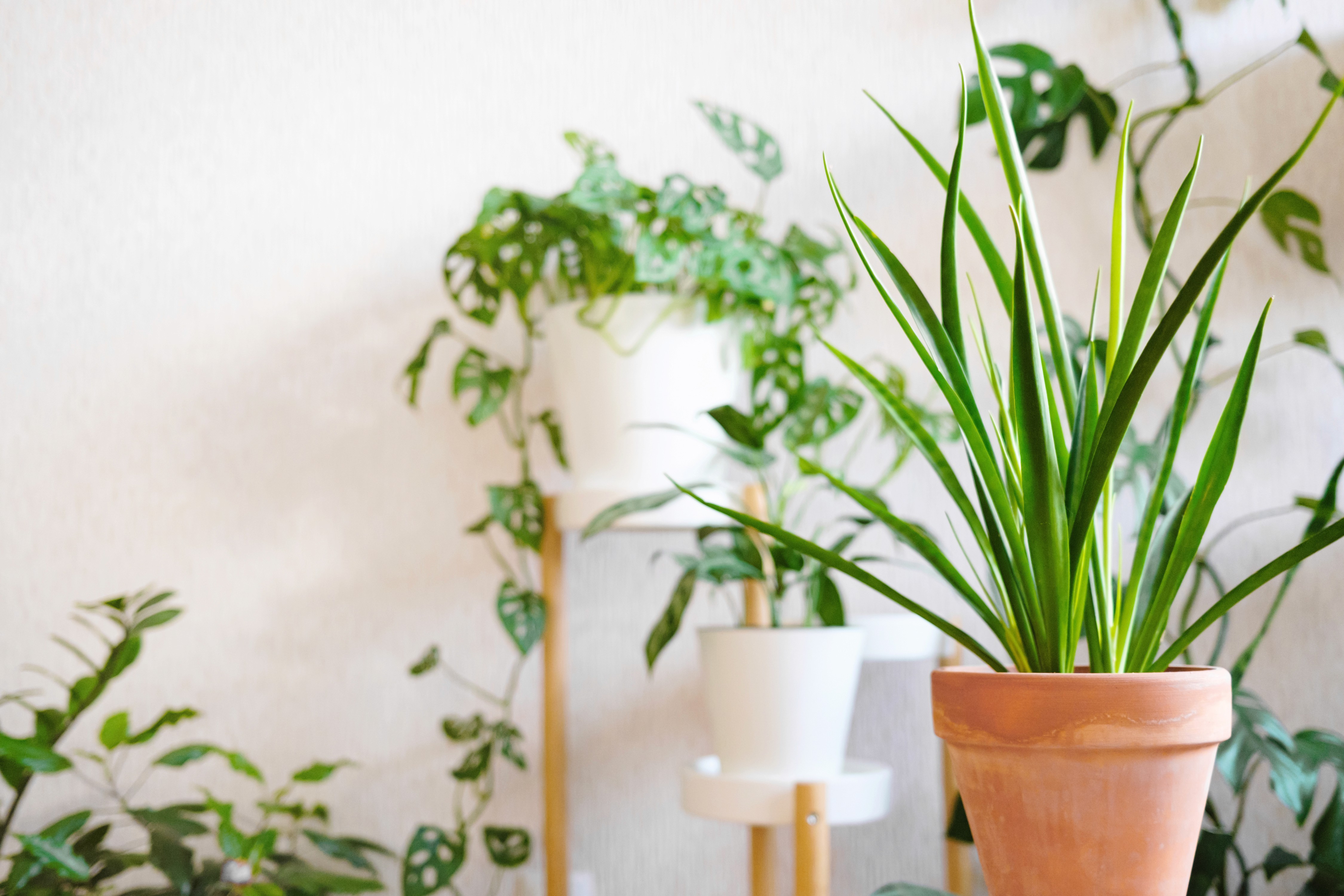
Snake plants are excellent air purifiers, removing toxins like formaldehyde and benzene. They're virtually pest-resistant and extremely slow-growing, requiring minimal maintenance. Common varieties include classic green form, golden variegated varieties, and compact dwarf versions. Place in bright, indirect light, but they'll tolerate low light perfectly well.
Pothos
Pothos is a trailing vine that's nearly impossible to kill. It tolerates low light, irregular watering, and poor soil quality. This plant grows quickly, making it perfect for beginners seeking visible results. Pothos can be grown as hanging plant, trained up moss pole, or left to cascade over shelves. It adapts to various light conditions, though grows faster in moderate to bright indirect light.
Water when top inch of soil is dry. The plant will tell you when it needs water by drooping slightly. This responsive feedback helps beginners learn watering needs. Pothos purifies air effectively and grows prolifically, ideal for covering walls or filling empty spaces. Varieties include solid green, golden, and variegated forms.
ZZ Plant
The ZZ plant is excellent for low-light areas and forgetful waterers. This plant features glossy, compound leaflets on upright stems adding elegance to any space. ZZ plants have thick underground rhizomes storing water, allowing them to tolerate extended periods without watering. They're slow-growing but steadily create lush, tropical appearance over time.
ZZ plants prefer to dry out between waterings and are prone to root rot if overwatered, making them perfect for over-waterers. They tolerate low light but thrive in bright, indirect conditions. The main challenge is slow growth rate, but patience is rewarded with stunning, nearly maintenance-free plant.
Spider Plant
Spider plants are among most popular indoor plants, for good reason. They're extremely tough, adapt to various light conditions, and produce adorable baby plantlets cascading from mother plant. Spider plants tolerate inconsistent watering and actually prefer to dry out between waterings. They're fast-growing and fill spaces quickly.
{{products-start|Indoor Plant Comparison|#0071E3}}
{{product|Snake Plant (Sansevieria)|4.9|$15-$30|Hardest to Kill|Thrives on neglect;Purifies air (NASA study);Handles any light level|Toxic to pets;Slow grower}}
{{product|Pothos (Devil's Ivy)|4.8|$10-$20|Most Versatile|Gorgeous trailing vines;Grows fast;Easy to propagate|Toxic to pets;Can get leggy without light}}
{{product|ZZ Plant|4.7|$20-$40|Most Drought Tolerant|Survives weeks without water;Beautiful glossy leaves;Low light champion|Toxic if ingested;Expensive;Slow growth}}
{{product|Spider Plant|4.6|$8-$15|Most Pet-Friendly|Safe for cats and dogs;Produces cute babies;Great air purifier|Brown tips common;Needs more light than others}}
{{products-end}}
These plants are completely non-toxic and safe for pets. Spider plants purify air effectively and are excellent for hanging baskets. The variety with green and white striped leaves is particularly attractive. They're virtually pest-resistant and rarely experience disease issues. Water when top inch of soil is dry, and they'll thrive.
Succulents and Cacti
Succulents and cacti are perfect for extremely forgetful waterers. These plants store water in their leaves and stems, allowing survival through extended droughts. Many varieties are incredibly compact, ideal for small spaces, desks, or shelves. Succulents prefer bright light and well-draining soil, watered infrequently—about once every 2-3 weeks during growing season.
Popular hardy succulents include jade plants, aloe vera, echeveria, and sedum. These plants add unique textures and forms to interior spaces. Most are non-toxic and some, like aloe vera, have practical uses. Main consideration is ensuring adequate drainage to prevent root rot, as overwatering is primary cause of succulent failure.
Rubber Plant
Rubber plants are dramatic, statement-making plants with large, glossy leaves. Despite their impressive appearance, they're quite forgiving. Rubber plants tolerate moderate light and adapt to various conditions, though preferring bright, indirect light. They're slow-growing, meaning less frequent pruning and maintenance.
Water when top inch of soil is dry, but allow plant to dry out somewhat between waterings. Rubber plants actually prefer being slightly underwatered to overwatered. Wipe leaves occasionally with soft, damp cloth to maintain glossy appearance and improve air purification. Common varieties include solid green, variegated forms, and popular red-leafed varieties.
Dracaena and Cordyline
These plants are architectural and elegant, featuring upright growth habits and striking foliage. Many varieties tolerate low light and neglect remarkably well. Dracaenas come in various colors and patterns, from solid green to variegated forms with red or yellow accents. They're slow-growing, low-maintenance plants adding height to spaces without requiring much effort.
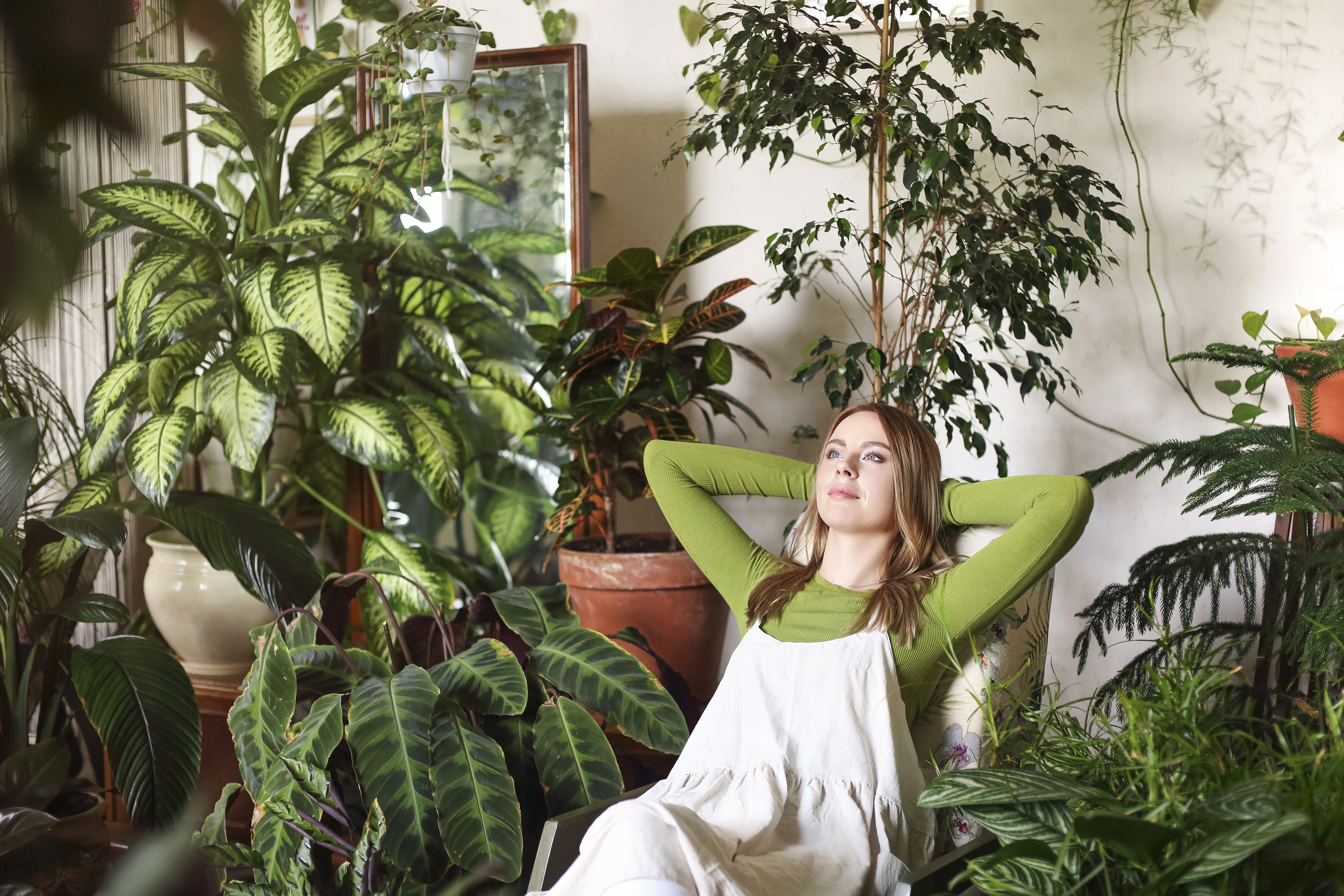
These plants prefer to dry out between waterings and tolerate lower humidity levels. They adapt to various light conditions, though color best in moderate to bright indirect light. Some varieties like lucky bamboo actually grow in water, offering unique display options.
Indoor Plant Care Comparison Table
Plant Name | Light Needs | Watering Frequency | Difficulty Level | Air Purifying | Pet Safe |
|---|---|---|---|---|---|
Snake Plant | Low to Bright Indirect | Every 3-4 weeks | Very Easy | Excellent | Mildly Toxic |
Pothos | Low to Bright Indirect | Every 1-2 weeks | Very Easy | Excellent | Toxic |
ZZ Plant | Low to Bright Indirect | Every 2-3 weeks | Very Easy | Good | Mildly Toxic |
Spider Plant | Bright Indirect | Every 1-2 weeks | Very Easy | Excellent | Pet Safe |
Succulents | Bright Light | Every 2-3 weeks | Very Easy | Variable | Mostly Safe |
Rubber Plant | Bright Indirect | Every 1-2 weeks | Easy | Excellent | Mildly Toxic |
Dracaena | Low to Bright Indirect | Every 2-3 weeks | Easy | Good | Mildly Toxic |
Philodendron | Low to Bright Indirect | Every 1-2 weeks | Very Easy | Good | Toxic |
Peace Lily | Low to Bright Indirect | Every 1-2 weeks | Easy | Excellent | Mildly Toxic |
Cast Iron Plant | Low to Bright Indirect | Every 2-3 weeks | Very Easy | Good | Pet Safe |
Common Plant Care Mistakes to Avoid
Overwatering
Overwatering is leading cause of houseplant death. Most indoor plants prefer to dry out somewhat between waterings. Before watering, check soil moisture by sticking finger an inch into soil. If it feels moist, wait. Learn to recognize plant signals—drooping leaves can indicate both overwatering and underwatering, but underwatered plants recover quickly after watering while overwatered plants need soil to dry out.
Inadequate Drainage
Always use pots with drainage holes. Without drainage, water accumulates at bottom causing root rot. If you love a particular decorative pot without holes, use it as cache pot over nursery pot with drainage. Choosing right soil matters—use indoor plant potting mix rather than garden soil, which compacts and retains too much moisture.
Wrong Lighting Conditions
Understand your plant's light requirements and match them to your home's conditions. If you have mostly low-light areas, choose plants tolerating these conditions rather than struggling with light-demanding varieties. You can supplement with grow lights if needed, but most houseplants naturally adapt over time to available light conditions.
Neglecting Humidity
Many indoor plants appreciate humidity, though most hardy varieties tolerate average household humidity. If leaves develop brown tips, mist occasionally or place on pebble tray filled with water. Running humidifier during winter months benefits both you and your plants.
{{cta|banner|Complete Your Plant Setup|Pots, soil, and plant food — everything you need for happy houseplants.|Shop Plant Accessories|https://www.amazon.com/s?k=indoor+plant+supplies|#4A7C59|#F0FAF0}}
Plant Care Tips for Success
Start with one or two hardy plants and develop consistent care habits before expanding your collection. Observe your plants regularly—leaves, soil moisture, and growth patterns communicate plant health. Repot annually or biannually as plants grow. Wipe leaves occasionally to improve air purification and aesthetic appeal. Group plants together to increase humidity naturally. Rotate plants occasionally to ensure even growth.
Remember most houseplants are forgiving and recover well from mistakes. If you overwater or underwater occasionally, your plants will likely bounce back. The key to plant parenthood is consistency, observation, and choosing right plants for your lifestyle and home environment. Start with nearly indestructible varieties listed above, and you'll build confidence for expanding into more demanding plants as your skills develop.
{{faq-start|Indoor Plants — Frequently Asked Questions|Keeping your plants alive and thriving|#4A7C59}}
{{faq-q|How often should I water indoor plants?}}
{{faq-a|Most indoor plants prefer to dry out slightly between waterings. A good rule: stick your finger an inch into the soil. If it's dry, water thoroughly until it drains from the bottom. Overwatering kills more houseplants than underwatering.}}
{{faq-q|Do indoor plants actually purify air?}}
{{faq-a|Plants do absorb some toxins, but NASA's famous study used sealed chambers. In a real home, you'd need hundreds of plants to meaningfully filter air. That said, plants do increase humidity and many people find them psychologically beneficial.}}
{{faq-q|What's the best plant for low light?}}
{{faq-a|Pothos, snake plants, and ZZ plants are champions of low-light survival. They can thrive in offices with fluorescent lighting and rooms with small or north-facing windows. They won't grow as fast as in bright light but will stay healthy.}}
{{faq-q|How do I know if my plant is dying?}}
{{faq-a|Yellow leaves often mean overwatering. Brown, crispy edges usually mean underwatering or low humidity. Leggy growth with long stems means not enough light. Most 'dying' plants are actually fixable—they're more resilient than you'd think.}}
{{faq-q|Can I have plants if I have pets?}}
{{faq-a|Some common houseplants are toxic to cats and dogs. Safe options include spider plants, Boston ferns, prayer plants, and most palms. Always check the ASPCA toxic plant database before bringing a new plant home if you have curious pets.}}
{{faq-end}}