A Beginner's Guide to Meal Prepping for the Week

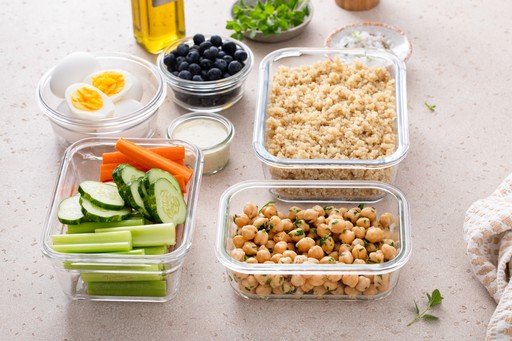
Meal prepping is the practice of preparing meals in advance, typically for the entire week. This approach saves significant time during busy weekdays, reduces food waste, helps maintain a healthy diet, and dramatically cuts food expenses. Many people find that dedicating a few hours on one day to meal preparation eliminates daily cooking stress and prevents unhealthy food choices during hectic weeks. This beginner's guide walks through the meal prepping process step-by-step.
Understanding Meal Prep Basics
Meal prepping doesn't mean eating the same meal every day. Instead, it involves preparing versatile ingredients that can be mixed and matched throughout the week. Most effective meal prep strategies involve cooking proteins, grains, and vegetables in bulk, then combining them in different ways for variety. You might cook grilled chicken, roasted vegetables, and brown rice, then use these components in different meals: chicken with rice one day, a grain bowl the next, a stir-fry another day.
The key is choosing recipes and ingredients that maintain quality throughout the week and work well in multiple combinations. Most prepared meals keep well for 3-4 days in the refrigerator, though some components like grains and proteins stay fresh for the entire week. Choosing recipes carefully ensures your meal-prepped food tastes fresh and appetizing throughout the week.
Getting Started with Meal Prep
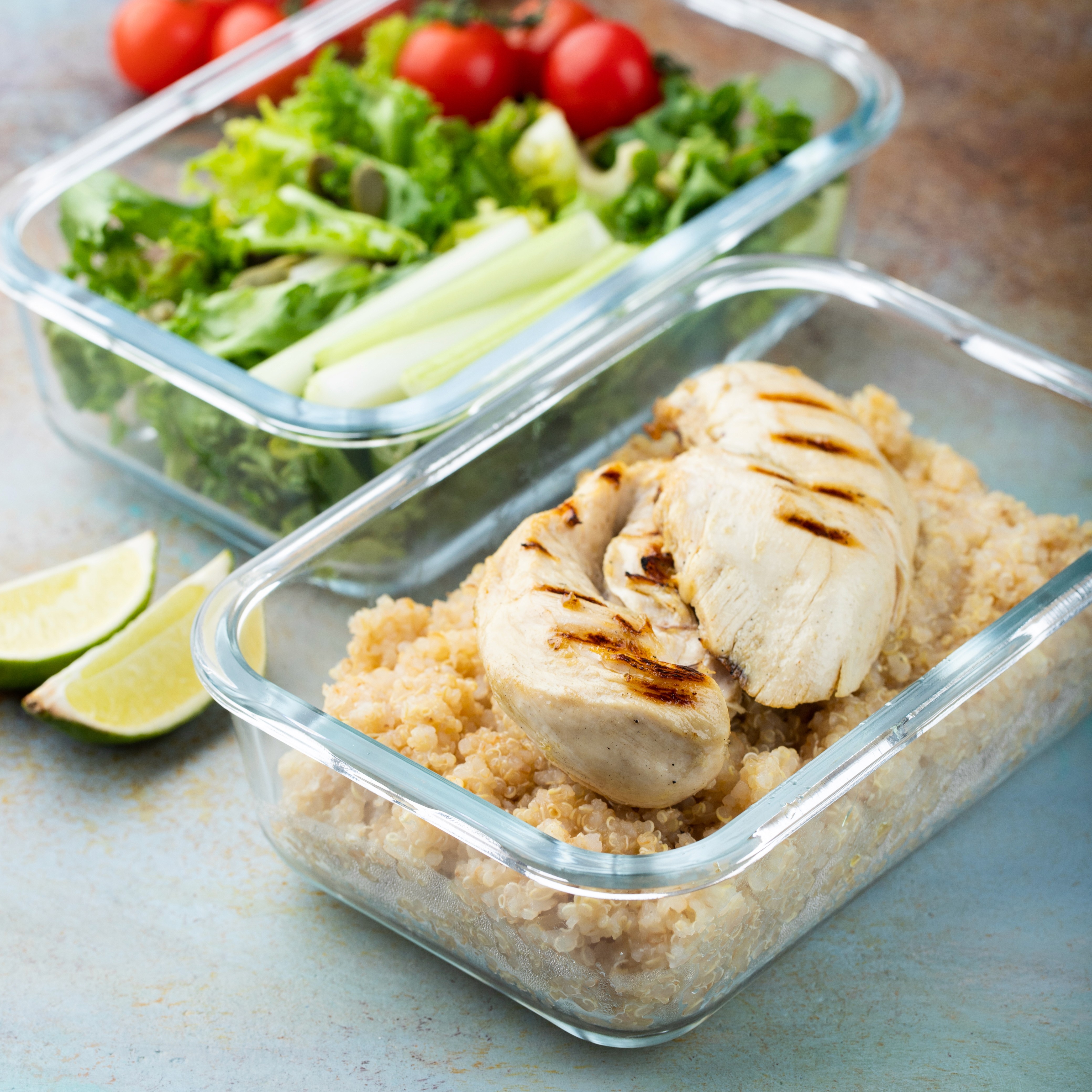
Begin by selecting one day for meal prepping, typically Sunday for most people. Block out 2-3 hours for planning, shopping, and cooking. Start with simple recipes using 5-7 ingredients. Choose proteins that keep well like chicken, ground turkey, or beans. Select vegetables that hold up in the refrigerator like broccoli, carrots, peppers, and Brussels sprouts. Pick neutral grains like rice, quinoa, or pasta that pair well with different proteins and sauces.
Make a detailed shopping list organized by store layout to speed up shopping. Buying in bulk is more economical. Cook proteins using simple methods like baking or slow cooking. Roast vegetables at high heat for better flavor and longer shelf life. Cook grains according to package directions and cool completely before storing. Let everything cool to room temperature before refrigerating to prevent moisture and bacterial growth.
{{cta|primary|Get Started with Meal Prep|The right containers make all the difference. Glass containers keep food fresh longer.|Shop Meal Prep Containers|https://www.amazon.com/s?k=glass+meal+prep+containers|#E38836|#FFF8F0}}
Cost Comparison: Meal Prep vs Eating Out
Meal Method | Cost Per Week | Cost Per Day | Time Investment | Health Quality |
|---|---|---|---|---|
Meal Prepping (Home) | $40-60 | $5.70-8.60 | 2-3 hours prep | Excellent |
Casual Restaurant | $105-140 | $15-20 | Minimal | Variable |
Fast Food/Takeout | $84-112 | $12-16 | Minimal | Poor |
Food Delivery Services | $126-175 | $18-25 | Minimal | Fair-Good |
Meal Subscription Kits | $70-120 | $10-17 | 30 min cooking | Good |
Average grocery shopping | $90-120 | $13-17 | 3-5 hours total | Varies |
Sample Weekly Meal Prep Plan
{{checklist-start|Weekly Meal Prep Checklist|Follow this step-by-step checklist every Sunday to prep your week's meals!|#0071E3}}
{{checklist-cat|Planning (30 min)}}
{{checklist-item|Choose 3-4 recipes for the week|Pick recipes with overlapping ingredients to save money. One protein can work in 2-3 different meals.}}
{{checklist-item|Write your grocery list organized by store section|Group items by produce, dairy, protein, pantry. This saves 15-20 minutes of wandering at the store.}}
{{checklist-item|Check what you already have at home|Check your fridge, freezer, and pantry first. You probably already have rice, oils, spices, and canned goods.}}
{{checklist-cat|Shopping (45 min)}}
{{checklist-item|Buy groceries — stick to the list!|Eat before you shop to avoid impulse purchases. Buy in bulk for staples like rice, oats, and frozen veggies.}}
{{checklist-cat|Prep Phase (2 hours)}}
{{checklist-item|Wash and chop all vegetables|Prep all veggies first: dice onions, mince garlic, chop peppers, slice carrots. Store in containers.}}
{{checklist-item|Cook all proteins (chicken, ground meat, beans)|Cook multiple proteins at once: chicken in the oven, ground meat on the stove, beans in a pot.}}
{{checklist-item|Prepare your base grains (rice, quinoa, pasta)|Cook a large batch of rice or quinoa. These keep 4-5 days in the fridge and are the base for most meals.}}
{{checklist-cat|Assembly (30 min)}}
{{checklist-item|Portion meals into labeled containers|Use glass containers with snap lids. Label with the meal name and date. Stack in fridge by day.}}
{{checklist-item|Prep snacks and breakfasts|Overnight oats, hard-boiled eggs, cut fruit, trail mix — prep these so healthy choices are grab-and-go.}}
{{checklist-cat|Storage}}
{{checklist-item|Freeze any meals for days 4-7|Meals for Thursday-Sunday often taste better frozen and reheated than sitting in the fridge for a week.}}
{{checklist-end}}
Day | Breakfast | Lunch | Dinner | Snack |
|---|---|---|---|---|
Monday | Oatmeal with berries | Grilled chicken bowl | Turkey taco bowl | Greek yogurt |
Tuesday | Egg muffins | Grilled chicken salad | Pasta with vegetables | Apple and almonds |
Wednesday | Oatmeal with banana | Turkey taco leftovers | Grilled chicken with rice | Greek yogurt |
Thursday | Egg muffins | Pasta leftover salad | Vegetable stir-fry | Fruit salad |
Friday | Oatmeal with blueberries | Grilled chicken wrap | Fish and roasted vegetables | String cheese |
Saturday | Scrambled eggs | Leftover fish and veggies | Homemade pizza | Nuts and dried fruit |
Sunday | Pancakes | Farmers market salad | Meal prep day - takeout | Fresh fruit |
Storage Tips and Container Recommendations
Invest in quality glass storage containers with airtight lids. Glass containers last longer than plastic, don't absorb odors or stains, and reheat easily. Divide meals into individual portions before storing to simplify grabbing meals during the week. Keep proteins, grains, and vegetables in separate containers so you can customize combinations and allow proper air circulation.
Store wet foods like sauces separately to prevent sogginess. Leafy greens should be stored separately and added just before eating. Label containers with contents and dates using waterproof markers. Store most prepared meals on middle refrigerator shelves where temperature is most consistent. Raw vegetables and fruits can be prepped in advance and stored in separate containers with paper towels to absorb excess moisture.
Most cooked meals stay fresh for 3-4 days. Some hardy vegetables and proteins last the full week. Don't store prepared meals longer than 4 days to ensure food safety and quality. Freeze portions you won't eat within 4 days for later use. Frozen meals typically keep for 2-3 months and thaw quickly for meals when fresh meal prep isn't available.
Beginner Meal Prep Recipes
Start with simple combinations: grilled chicken breast, brown rice, and roasted broccoli with garlic. This basic combination can be mixed with different sauces for variety throughout the week. Ground turkey tacos use seasoned turkey, black beans, roasted peppers, and whole wheat tortillas. Pasta primavera combines pasta with roasted vegetables and a simple olive oil dressing. Egg muffins with vegetables and cheese provide grab-and-go breakfast options.
Sheet pan meals are perfect for beginners. Place protein and vegetables on a sheet pan, add seasonings, and roast everything together. Slow cooker recipes simplify cooking: add ingredients in the morning and dinner is ready when you return home. Soup is excellent for meal prep: make large batches that reheat easily and taste better over time as flavors develop.
Money-Saving Strategies
Buy proteins on sale and freeze portions for later use. Buying whole chickens costs less than breasts and provide extra bones for broth. Buy seasonal vegetables when prices are lowest. Shop store brands which offer identical quality at lower prices. Use dried beans instead of canned to save significantly. Buy rice, pasta, and grains in bulk. Check apps and websites for grocery deals and digital coupons before shopping.
Reduce food waste by planning meals around foods expiring soon. Use vegetable scraps for homemade broth. Buy smaller quantities of expensive items to avoid waste. Plan meals using pantry items to minimize fresh purchases. Batch cooking allows spreading costs across multiple meals prepared simultaneously.
Common Meal Prep Challenges
Boredom with repetitive meals can derail meal prepping. Combat this by varying sauces, seasonings, and combinations using the same prepared components. Time pressure happens when underestimating how long cooking takes. Start with extra time and become faster with experience. Food spoilage occurs from improper storage or keeping meals too long. Follow storage guidelines closely and discard meals older than 4 days.
Lack of variety often results from limited recipe knowledge. Start with 2-3 simple recipes and gradually add more. Storage container shortages can be solved by investing in multiple container sets initially. Motivation drops partway through the week when food gets repetitive. Keep easy backup options available and don't pressure yourself to eat every prepared meal if you're not enjoying it.
{{cta|minimal|Want more kitchen tips?|Browse our home and living section for cooking and organization guides.|Explore Home Guides|https://www.bestdealguide.com/blog|#E38836|}}
Making Meal Prep Sustainable
Success with meal prepping requires treating it as a sustainable lifestyle rather than temporary effort. Start small with just lunch meals or a few days to build the habit. Gradually expand as the routine becomes comfortable. Find meal prep community through social media or local groups for accountability and inspiration. Celebrate small wins and don't aim for perfection. Even prepping two days instead of the full week provides significant time and money benefits.
Remember that meal prepping should reduce stress, not create it. If the current system feels overwhelming, simplify it. Prepping just proteins and vegetables while cooking grains fresh provides benefits without full commitment. Many successful meal preppers adjust their approach over time based on what works for their lifestyle. The goal is finding a sustainable system that supports your health and wellness goals while fitting your schedule and preferences.
{{faq-start|Meal Prepping — Frequently Asked Questions|Simple answers for your meal prep journey|#E38836}}
{{faq-q|How long does meal prep take?}}
{{faq-a|Most people can prep a full week of lunches and dinners in 2-3 hours on Sunday. Start with just prepping lunches — that takes about an hour and still saves significant time and money during the week.}}
{{faq-q|How long does prepped food last?}}
{{faq-a|Most cooked meals last 3-4 days in the fridge. For a full week, freeze meals for Thursday and Friday and thaw them the night before. Soups, stews, and grain bowls freeze and reheat particularly well.}}
{{faq-q|Won't I get bored eating the same thing?}}
{{faq-a|Use the 'base + variety' approach — cook one protein and one grain, then vary sauces, toppings, and vegetables throughout the week. Chicken with rice can become a burrito bowl, stir-fry, or Mediterranean plate with different seasonings.}}
{{faq-q|Is meal prepping actually cheaper?}}
{{faq-a|Yes, significantly. Most people save $50-100 per week compared to eating out or buying convenience foods. Buying ingredients in bulk and cooking in batches reduces waste and cost per meal. The savings add up to $2,500-5,000 annually.}}
{{faq-q|What equipment do I need?}}
{{faq-a|You need good containers (glass preferred), a sharp knife, cutting board, sheet pan, and one large pot. That's genuinely it. Helpful extras include a slow cooker or Instant Pot, kitchen scale, and portion scoops, but they're not essential.}}
{{faq-end}}