What to Expect Your First Month on GLP-1 Weight Loss Medication: Week-by-Week Guide


What to Expect Your First Month on GLP-1 Weight Loss Medication
You have signed up with a provider, your medication arrived, and you are staring at your first dose. Now what? The first 30 days on GLP-1 medication are when most of the adjustment happens — your body is learning to respond to a new hormone signal, and understanding what is normal versus what needs attention can make the difference between sticking with treatment and giving up too early.
This guide walks through the first month week by week, based on clinical data and real patient experiences. No sugar-coating, no scare tactics — just what actually happens.
Before You Start: Setting Realistic Expectations
The most important thing to understand is that GLP-1 medications are not magic. They are powerful tools that work by reducing appetite, slowing stomach emptying, and regulating blood sugar — but the first month is primarily about your body adjusting, not about dramatic weight loss.
What to Expect | Reality |
|---|---|
Weight loss in month 1 | 3-7 pounds (mostly water weight initially) |
Appetite reduction | Noticeable within 1-2 weeks for most patients |
Side effects | Common but usually mild, peak in weeks 1-2 |
Full therapeutic effect | Takes 3-5 months of dose escalation |
Visible body changes | Most patients notice changes around month 2-3 |
Week 1: The Adjustment Period
Your first dose will likely be the lowest available — most providers start semaglutide at 0.25mg weekly, and tirzepatide at 2.5mg weekly. This is intentionally below the therapeutic dose. The goal is to let your body acclimate gradually.
What you will probably feel: Mild nausea is the most common experience, affecting up to 50 percent of patients in the first week. It typically feels like a low-grade queasiness rather than intense sickness. You may also notice that you feel full faster during meals — a portion that used to feel normal might now feel like too much.
What is normal: Mild nausea, slight bloating, reduced appetite, minor fatigue, and changes in bowel habits (typically constipation or softer stools). These are all signs the medication is working as intended.
What is not normal: Severe vomiting that prevents you from keeping fluids down, intense abdominal pain, or signs of pancreatitis (sharp pain radiating to your back). Contact your provider immediately if you experience these.
Practical tips for week 1: Eat smaller meals. Choose bland, easy-to-digest foods. Stay very well hydrated — aim for at least 64 ounces of water daily. Avoid greasy, fried, or heavy foods. Take your injection at bedtime so you sleep through the initial nausea peak.
Week 2: Side Effects Start to Fade
For most patients, week 2 is when the initial adjustment symptoms begin to improve. Your body is adapting to the medication, and the nausea that may have been present in week 1 typically reduces significantly.
What you will probably feel: Noticeably reduced appetite throughout the day. You may find yourself forgetting to eat or feeling satisfied after half your usual portion. The "food noise" — that constant mental background chatter about what to eat next — starts to quiet down. This is one of the most commonly reported benefits.
Weight on the scale: You may see a 2-4 pound drop, mostly from reduced food intake and water weight. Do not fixate on daily fluctuations — weigh yourself once a week at the same time for the most accurate tracking.
Important: Even though your appetite is decreasing, you still need to eat. Aim for at least 1,200 calories per day (women) or 1,500 calories (men) with adequate protein (0.7-1g per pound of body weight). Drastically undereating will lead to muscle loss, not just fat loss, and will make long-term maintenance harder.
{{cta|primary|Ready to Start Your GLP-1 Journey?|Compare 7 top-rated providers with pricing from $179/month.|Find Your Provider|https://www.bestdealguide.com/blog/best-glp1-weight-loss-programs-compared-2026|#4A7C59|#F0FAF0}}
Week 3: Finding Your New Normal
By week 3, most patients have settled into a routine. The initial side effects have largely resolved, and the appetite-reducing effects feel more natural and less jarring.
What you will probably feel: A sustained, comfortable reduction in hunger. Meals feel satisfying at smaller portions without feeling deprived. Energy levels stabilize — some patients report feeling more energetic as they are eating cleaner and more intentionally. Blood sugar stability may improve, leading to fewer energy crashes.
Common challenges: Social eating can feel awkward. When you sit down at a restaurant and can only eat a third of your plate, it draws questions. Some patients find it helpful to order appetizers as entrees or ask for a to-go box immediately. This is also when some patients start to worry they are "not losing enough" — remember, you are still on a starter dose.
What to focus on: Building the habits that will sustain your weight loss long-term. Start or maintain a simple exercise routine (even 20-30 minutes of walking). Prioritize protein at every meal. Get 7-8 hours of sleep. These habits compound with the medication's effects.
Week 4: First Dose Escalation
Most providers will increase your dose at the 4-week mark. For semaglutide, this typically means moving from 0.25mg to 0.5mg weekly. For tirzepatide, from 2.5mg to 5mg weekly.
What you will probably feel: A temporary return of mild side effects as your body adjusts to the higher dose. This is usually less intense than week 1 since your body has already adapted to the medication's mechanism. Appetite suppression may noticeably increase. Some patients describe this as the point where the medication "really kicks in."
Weight check-in: After 4 weeks, a total loss of 3-7 pounds is typical and on track. Some patients lose more, some less — genetics, starting weight, activity level, and diet quality all play a role. If you have lost nothing after a full month, talk to your provider about your dose and overall approach.
Metric | Typical Month 1 Range | When to Contact Provider |
|---|---|---|
Weight loss | 3-7 lbs | 0 lbs or gain after full month |
Nausea | Mild, improving by week 2-3 | Severe/persistent beyond week 3 |
Appetite reduction | 20-40% decrease in portions | No change in appetite at all |
Energy | Brief dip week 1, then stable/improved | Persistent fatigue or weakness |
The Bigger Picture: What Comes After Month 1
Month 1 is the foundation. The real weight loss acceleration happens in months 2 through 5 as your dose continues to increase toward the therapeutic target. Here is what the typical timeline looks like across a full treatment course:
Timeframe | Typical Cumulative Loss | What Is Happening |
|---|---|---|
Month 1 | 3-7 lbs | Body adjusting, starter dose |
Months 2-3 | 10-18 lbs | Dose escalation, accelerating loss |
Months 4-6 | 20-35 lbs | Approaching maintenance dose, steady loss |
Months 7-12 | 30-50 lbs | Maintenance dose, gradual loss continues |
12+ months | 15-22% body weight | Full clinical effect achieved |
The key takeaway: do not judge the medication's effectiveness based on month 1 alone. You are still on training wheels. The therapeutic dose of semaglutide is 2.4mg (you started at 0.25mg), and tirzepatide goes up to 15mg (you started at 2.5mg). Give it time.
{{cta|minimal|Not Sure Which Provider to Start With?|Our side-by-side comparison covers pricing, formats, and guarantees.|Compare 7 Programs|https://www.bestdealguide.com/blog/best-glp1-weight-loss-programs-compared-2026|#4A7C59|}}
Tips From Real GLP-1 Patients
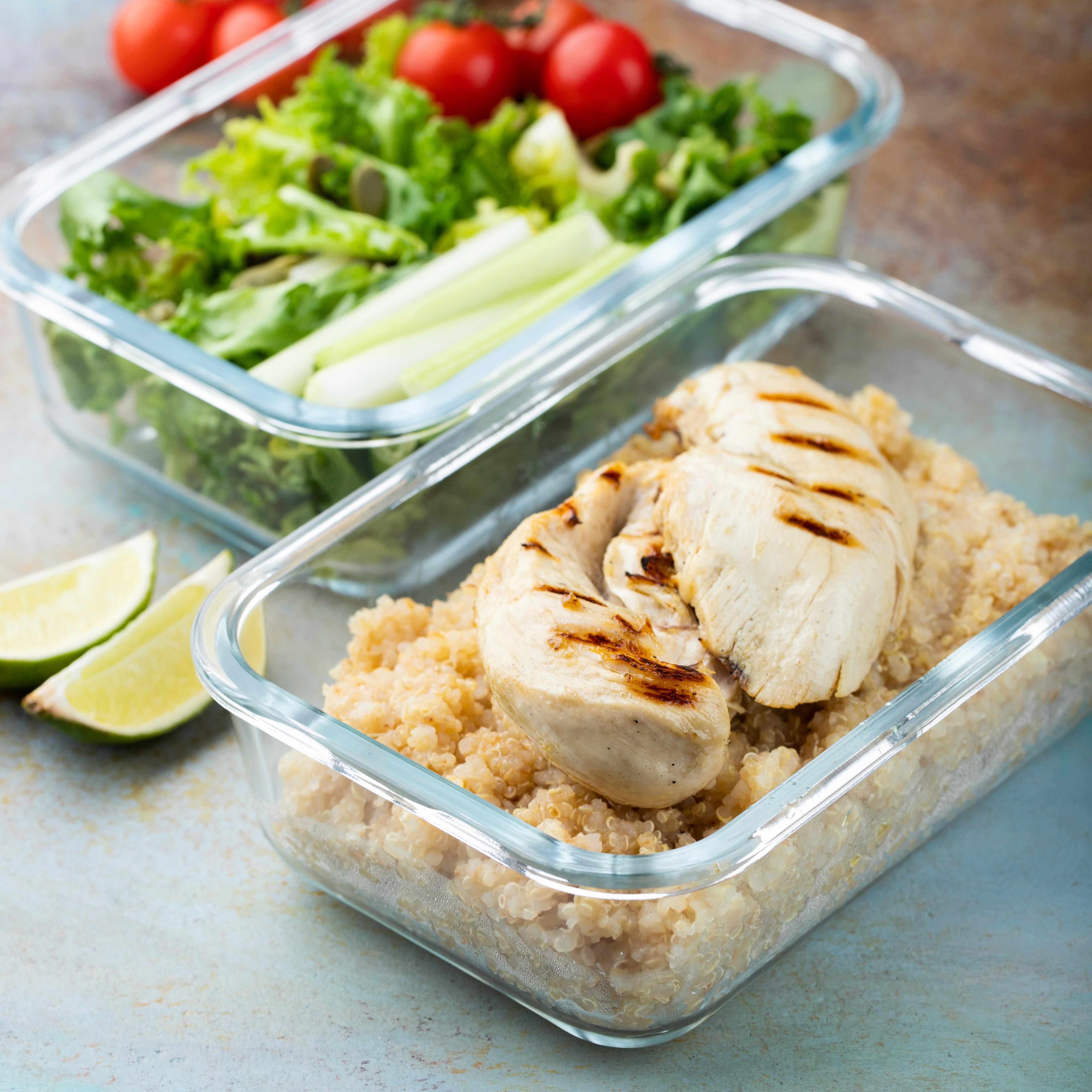
"Protein became my best friend." Multiple patients report that prioritizing protein at every meal (eggs, chicken, Greek yogurt, protein shakes) dramatically reduced nausea and helped maintain muscle mass. Aim for 25-30g of protein per meal.
"The bedtime injection trick is real." Taking your weekly injection before bed means you sleep through the peak nausea window (4-8 hours post-injection). Many patients call this a game-changer.
"I had to relearn my hunger signals." After years of overeating, some patients struggle to distinguish between genuine hunger and habitual eating. The medication helps, but paying attention to actual hunger cues is a skill worth developing.
"Walking 30 minutes a day made a bigger difference than I expected." Exercise is not required for GLP-1 weight loss, but patients who add even light daily activity consistently report better results and fewer side effects.
When to Call Your Provider
Most side effects are manageable at home, but certain symptoms warrant immediate contact with your prescribing provider: persistent vomiting for more than 24 hours, severe abdominal pain (especially radiating to the back), signs of dehydration (dark urine, dizziness, rapid heartbeat), symptoms of low blood sugar (shakiness, confusion, sweating) especially if you take diabetes medication, or any allergic reaction (rash, swelling, difficulty breathing).
If you are unsure whether something is serious, err on the side of calling. That is what your provider is there for.
{{cta|banner|Ready to Get Started?|Compare top GLP-1 providers, check eligibility, and find the right program for you.|See All Programs|https://www.bestdealguide.com/blog/best-glp1-weight-loss-programs-compared-2026|#4A7C59|#F0FAF0}}
{{faq-start|First Month on GLP-1 — FAQ|Common questions from new patients|#4A7C59}}
{{faq-q|How much weight should I lose in the first month on GLP-1?}}
{{faq-a|Most patients lose 3-7 pounds during their first month on GLP-1 medication. This is primarily from reduced calorie intake and some water weight. The significant weight loss acceleration happens in months 2-5 as your dose increases toward the therapeutic level. Do not judge the medication based on month 1 results alone.}}
{{faq-q|Is nausea normal when starting GLP-1 medication?}}
{{faq-a|Yes. Up to 50% of patients experience some nausea in the first 1-2 weeks. It is typically mild to moderate and improves as your body adjusts. Eating smaller meals, staying hydrated, avoiding greasy foods, and taking your injection at bedtime can all help manage it. If nausea is severe or persistent beyond week 3, contact your provider.}}
{{faq-q|Can I drink alcohol while taking semaglutide or tirzepatide?}}
{{faq-a|Alcohol is not medically contraindicated with GLP-1 medications, but most patients find their alcohol tolerance decreases significantly. You may feel the effects of alcohol faster and stronger. Many patients naturally reduce or stop drinking because the medication reduces the desire for it. If you do drink, start with much less than your usual amount.}}
{{faq-q|Should I exercise during the first month on GLP-1?}}
{{faq-a|Light to moderate exercise like walking is encouraged from day one. It helps with side effects, mood, and long-term results. However, listen to your body — if you are experiencing nausea or fatigue in the first week, gentle walking is plenty. You can increase intensity as you feel better. Prioritize consistency over intensity.}}
{{faq-q|What if I do not lose any weight in the first month?}}
{{faq-a|If you have lost zero weight after a full 4 weeks, contact your provider. Possible reasons include the starting dose being too low for your body weight, dietary habits that are counteracting the medication, or a need to switch medications (from semaglutide to tirzepatide or vice versa). Your provider can adjust your treatment plan.}}
{{faq-end}}
This article is for informational purposes only and does not constitute medical advice. Always follow your prescribing provider's specific instructions for your GLP-1 medication. Individual experiences may vary.