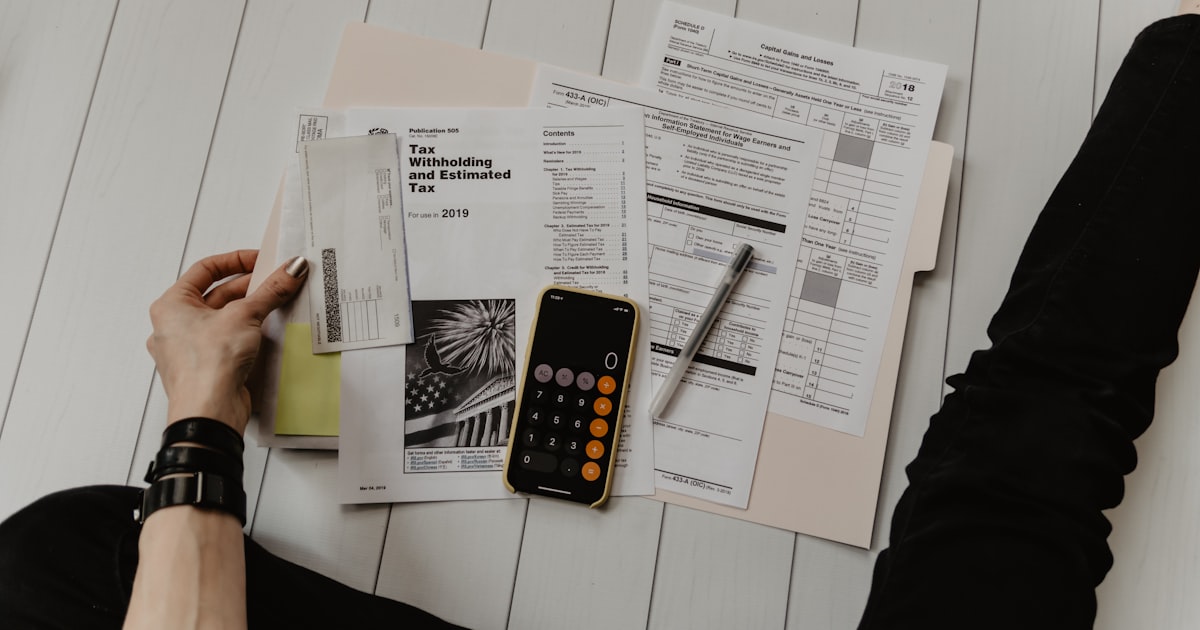
The Real Math Behind Renting vs. Buying a Home

The Rent vs. Buy Decision Is Not as Simple as It Seems
The conventional wisdom that buying is always better than renting does not hold up under closer examination. In some markets and situations, renting is the smarter financial move. In others, buying builds wealth significantly faster. The difference depends on local housing costs, how long you plan to stay, your financial readiness, and the opportunity cost of tying up capital in a down payment.
This guide walks through the actual math, not the emotional arguments, so you can make an informed decision for your specific situation.
The True Cost of Owning
Your mortgage payment is only the beginning. Homeownership comes with property taxes (typically 1 to 2 percent of home value annually), homeowners insurance ($1,200 to $3,000 per year), maintenance and repairs (budget 1 to 2 percent of home value annually), and potentially HOA fees ($200 to $500 per month in many communities).
On a $400,000 home with 20 percent down ($80,000), a 30-year mortgage at 6.5 percent interest, your monthly principal and interest payment is roughly $2,023. Add property taxes ($500/month), insurance ($200/month), and maintenance ($400/month), and the true monthly cost of ownership is approximately $3,123 — 54 percent more than the mortgage payment alone. Over the life of the loan, you will pay about $408,000 in interest on top of the $320,000 principal.
The True Cost of Renting
Renting appears simpler: you pay rent, renters insurance ($15 to $30/month), and that is it. No maintenance surprises, no property taxes, no large down payment sitting in one asset. The money you would have used for a down payment can be invested in a diversified portfolio that historically returns 7 to 10 percent annually.
However, rent increases over time. At 3 percent annual growth, a $2,000 monthly rent becomes $2,688 in 10 years and $3,612 in 20 years. Unlike a fixed-rate mortgage, rent offers no payment stability. You also build no equity through rental payments — every dollar spent on rent is gone.
{{cta|primary|Should You Rent or Buy?|Take our quiz to get a personalized analysis based on your income, savings, and local housing market.|Take the Quiz|https://bestdealguide.com/quiz/rent-or-buy-quiz|#2563EB|#EFF6FF}}
The Break-Even Timeline
The break-even point is when buying becomes cheaper than renting in total cost, factoring in all ownership expenses, tax benefits, equity gained, and the opportunity cost of the down payment. In most markets, this break-even falls between 5 and 7 years. In expensive coastal markets, it can extend to 10 to 15 years or longer.
If you plan to move within 3 to 4 years, renting almost always wins. Transaction costs of buying and selling a home (typically 8 to 10 percent of the sale price including agent commissions, closing costs, and transfer taxes) eat into any equity you build in a short timeframe. The shorter your expected stay, the stronger the case for renting.
The Opportunity Cost of a Down Payment
A $80,000 down payment invested in an index fund averaging 8 percent annual returns would grow to approximately $173,000 in 10 years. As a homeowner, that $80,000 is tied up in your house, which may appreciate at 3 to 5 percent annually in most markets. The difference in returns — the opportunity cost — favors renting and investing in markets where home appreciation is below average.
This calculation changes significantly in markets with rapid home appreciation. In areas where home values grow 6 to 8 percent annually, the leveraged return on your down payment (since you control a $400,000 asset with an $80,000 investment) can exceed stock market returns. Location matters enormously in the rent-vs-buy equation.
{{cta|minimal|Rent vs. Buy Calculators|The NYT rent vs. buy calculator accounts for dozens of variables specific to your situation.|Try the Calculator|https://www.nytimes.com/interactive/2024/upshot/buy-rent-calculator.html|#2563EB|#EFF6FF}}
Lifestyle and Non-Financial Factors
Financial calculations only tell part of the story. Homeownership provides stability, the freedom to customize your space, and a sense of permanence that many people value highly. Renting provides flexibility to relocate, freedom from maintenance responsibilities, and the ability to live in neighborhoods where buying would be unaffordable.
Your career trajectory matters too. If your job may require relocation within the next few years, or if you are still establishing yourself in a field, renting preserves flexibility. If you have stable employment, a growing family, and plan to stay in one area for a decade or more, buying typically makes both financial and lifestyle sense.
{{cta|banner|More Personal Finance Guides|Explore our full library of housing and financial planning articles.|Browse Articles|https://bestdealguide.com/blog|#2563EB|#EFF6FF}}{{faq-start}}{{faq-q}}Is renting really throwing money away?{{faq-a}}No. Renting provides housing, flexibility, and frees capital for other investments. Much of a mortgage payment goes to interest, taxes, and insurance rather than equity, especially in the early years. Renting and investing the difference can build comparable or greater wealth in some scenarios.{{faq-q}}How much should I save before buying a house?{{faq-a}}Aim for 20 percent down to avoid PMI, plus 2 to 5 percent for closing costs, plus 3 to 6 months of expenses as an emergency fund. On a $350,000 home, that is roughly $90,000 to $100,000 total. Some loan programs accept 3 to 5 percent down but add monthly PMI costs.{{faq-q}}Does buying always build more wealth than renting?{{faq-a}}Not always. In expensive markets with low appreciation and high ownership costs, renting and investing the savings can outperform buying. The outcome depends heavily on local market conditions, how long you stay, and whether you actually invest the savings.{{faq-q}}What if I can afford to buy but am not sure I want to stay?{{faq-a}}If there is a meaningful chance you will move within 3 to 5 years, renting is likely the better financial choice. Transaction costs of buying and selling typically require at least 5 years of ownership to recoup.{{faq-q}}How does inflation affect the rent vs. buy decision?{{faq-a}}Inflation generally favors buyers because a fixed-rate mortgage payment stays constant while rents increase over time. However, inflation also increases property taxes, insurance, and maintenance costs, partially offsetting this advantage.{{faq-end}}
Disclaimer: This article is for informational purposes only and does not constitute financial or real estate advice. Housing costs and market conditions vary significantly by location. Consult a financial advisor for personalized guidance.