How to Lose Weight Naturally Without Extreme Dieting

How to Lose Weight Naturally Without Extreme Dieting
The weight loss industry thrives on extremes. Juice cleanses, 500-calorie diets, cutting out entire food groups, and punishing workout regimens all promise rapid results but almost always lead to the same outcome: short-term weight loss followed by regaining everything and often more. This yo-yo pattern is not a failure of willpower; it is the predictable result of approaches that fight against your body's biological drive to maintain its current weight. The sustainable path to weight loss is not through extreme restriction but through modest, sustainable changes that your body can maintain indefinitely.
Why Extreme Diets Fail
When you drastically cut calories, your body interprets this as starvation and responds by increasing hunger hormones (ghrelin) and decreasing satiety hormones (leptin). Your metabolism doesn't stay constant; it actually declines when you eat too little, making weight loss progressively harder. Additionally, extreme restriction is psychologically unsustainable. Your brain craves the foods you're denying yourself, making willpower the only thing standing between you and those foods. Willpower is a finite resource that depletes with use, which is why people following restrictive diets eventually break and overeat.
The biological reality is that your body has a "set point"—a weight range your body naturally gravitates toward. Extreme diets create a gap between your current weight and the extremely low weight the diet targets. Your body works against you to close this gap, increasing hunger and cravings until you break the diet and your weight returns to its set point. The solution is not to fight this biology but to work with it by making modest changes that gradually lower your set point.
Weight Loss Approaches Comparison
Approach | Calorie Deficit | Sustainability | Weight Loss Timeline | Long-term Success Rate |
|---|---|---|---|---|
Extreme restriction (very low calorie) | 1000+ calorie deficit | Very Low (1-2 weeks typical) | 1-2 lbs/week (initially) | Less than 5% |
Moderate deficit (400-500 cal/day) | 400-500 calorie deficit | High (sustainable indefinitely) | 0.75-1 lb/week (steady) | 60-70% |
Protein-focused approach | 300-400 calorie deficit | High (feels like enough food) | 0.5-0.75 lb/week | 70-80% |
Intermittent fasting | Varies (usually 500+ cal/day) | Medium (works if you like the approach) | 1-2 lbs/week | 40-50% |
{{cta|primary|Start Your Journey|Sustainable weight loss begins with small, consistent changes — not extreme diets.|Get Our Nutrition Guide|https://www.bestdealguide.com/blog|#4A7C59|#F0FAF0}}
The Foundation: A Modest Calorie Deficit
Weight loss fundamentally comes down to energy balance: consuming fewer calories than you expend. This isn't about willpower; it's about physics. You cannot gain weight if you're consistently in a calorie deficit, and you cannot lose weight if you're in a calorie surplus. The key word is "modest." A deficit of 300-500 calories per day is sustainable and allows you to lose weight while maintaining muscle, energy, and adherence.
To create this deficit, you can reduce food intake, increase activity, or combine both. For most people, combining both is most effective. Increasing daily movement (walking more, using stairs, gardening) increases expenditure without requiring gym willpower, and modest food changes (eating slightly smaller portions, choosing more vegetables) create the calorie reduction. Neither change feels extreme individually, but combined they create the deficit needed for weight loss.
Protein Is Your Best Friend
If one dietary change matters most for weight loss, it's eating adequate protein. Protein has several advantages: it increases satiety (you feel fuller longer), it has a higher thermic effect (your body burns more calories digesting protein than carbohydrates or fats), it preserves muscle during weight loss (preventing the metabolic slowdown that typically accompanies fat loss), and it prevents the constant hunger that derails most diets.
Protein doesn't need to come from meat. Eggs, Greek yogurt, cottage cheese, legumes (beans, lentils), nuts, and plant-based protein all work. Aim for 25-35% of your calories from protein. If you eat 2000 calories daily, that's 500-700 calories from protein, roughly 125-175 grams. This might sound like a lot, but spreading it across meals (20-30g per meal) is manageable and makes weight loss dramatically easier.
Daily Calorie Sources Comparison
Meal | Traditional Choice | Calories | Healthier Choice | Calories | Satiety |
|---|---|---|---|---|---|
Breakfast | Sugary cereal with milk | 350 | Eggs with whole grain toast | 300 | High (lasts to lunch) |
Snack | Granola bar + juice | 300 | Greek yogurt with berries | 150 | Very High |
Lunch | Sandwich + chips + soda | 900 | Salad with grilled chicken | 400 | Very High |
Dinner | Pasta with creamy sauce | 1200 | Grilled fish with vegetables | 500 | High |
Movement That Supports Weight Loss
Exercise alone rarely produces significant weight loss, but it's invaluable for weight loss maintenance. More importantly, adding movement prevents the metabolic adaptation that typically happens with diet-only weight loss. When you exercise consistently, your body maintains its metabolic rate even while losing weight, making the loss easier to sustain.
The best exercise for weight loss is whatever you'll actually do consistently. For some people, this is running; for others, it's cycling, swimming, group fitness classes, or home workouts. For most people, adding 30-45 minutes of moderate activity 4-5 times weekly, combined with reduced calorie intake, produces sustainable weight loss. Additionally, strength training preserves muscle during weight loss and creates the body composition changes people actually care about (looking toned rather than just thin).
Managing Hunger and Cravings
If you're constantly hungry while losing weight, you're probably in too large a deficit. Hunger is your body's signal that something is wrong, and fighting constant hunger is unsustainable. Strategies for managing hunger include eating more protein (most satiating), eating more whole foods and fiber (fills you up), drinking more water, and ensuring you sleep well (poor sleep increases hunger hormones dramatically).
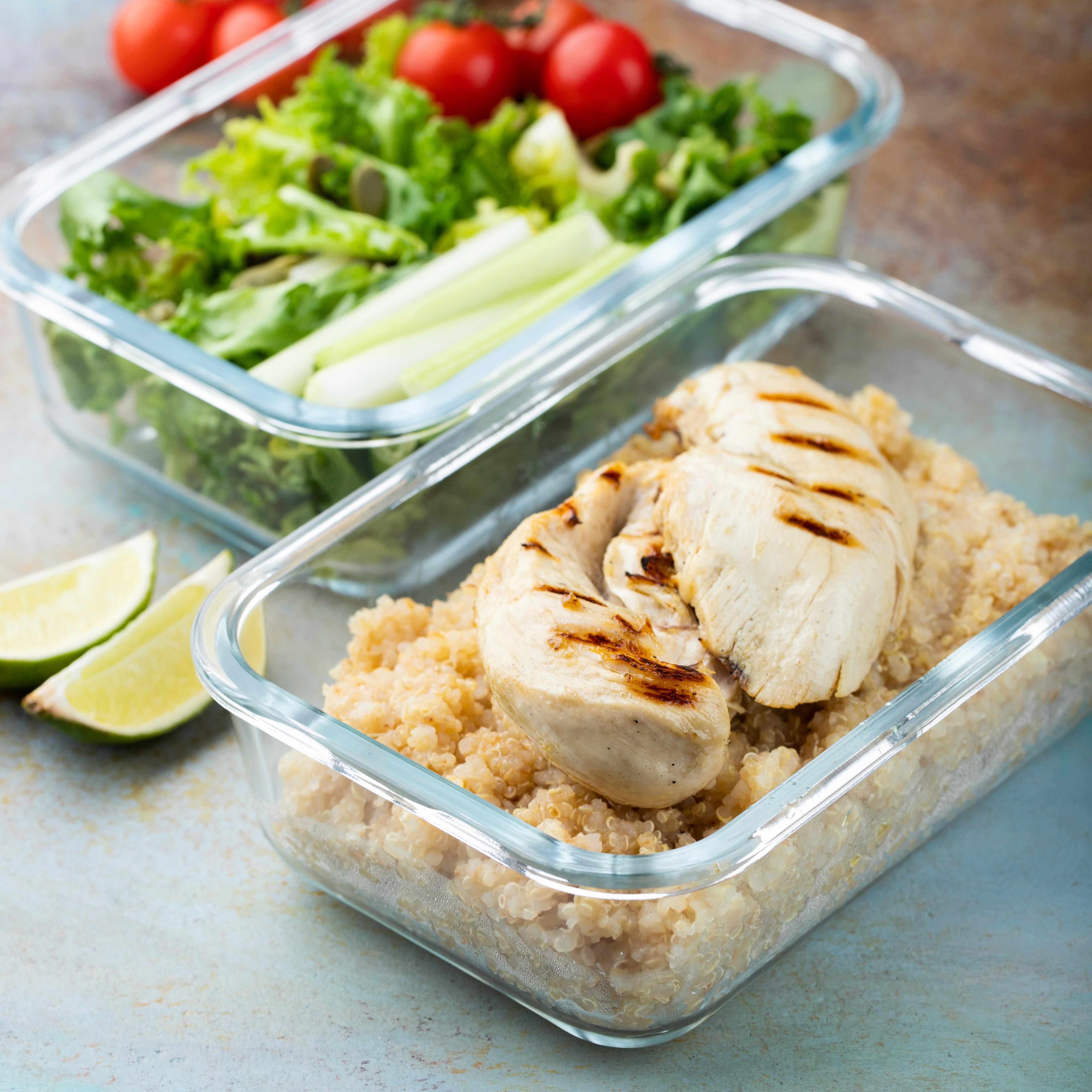
For cravings, distinguish between true hunger and emotional hunger or habit. If you're genuinely hungry, eat something nutritious. If you're not physically hungry but craving comfort food, the solution is not willpower but addressing what's driving the craving: stress, boredom, fatigue, or habit. A 10-minute walk, a glass of water, or 5 minutes of breathing exercises often eliminates cravings. If a specific food consistently derails you, it might be easier to simply not keep it in your house rather than relying on willpower every time you see it.
Patience and Self-Compassion
Sustainable weight loss is gradual. Aiming for 1-2 pounds per week means that losing 50 pounds takes 6-12 months. This feels slow compared to promises of rapid weight loss, but it's the pace your body maintains long-term. Faster weight loss means muscle loss, metabolic slowdown, and a high likelihood of regaining the weight.
{{cta|minimal|Explore more health articles|Evidence-based wellness guides updated regularly.|Browse Health Section|https://www.bestdealguide.com/blog|#4A7C59|}}
Additionally, your weight will fluctuate. Water retention from sodium, hormonal cycles, or intense exercise can make the scale go up even when you're in a deficit. Weighing yourself daily can be demoralizing; weekly weigh-ins or measuring progress through how clothes fit and how you feel are more reliable indicators. Finally, occasional overeating doesn't undo your progress. One meal won't make you gain weight, just like one salad won't make you lose weight. Progress comes from consistency over weeks and months, not perfection. If you overeat one day, return to your plan the next day without guilt or compensation.
{{faq-start|Natural Weight Loss — Frequently Asked Questions|Evidence-based answers for sustainable results|#4A7C59}}
{{faq-q|How fast should I expect to lose weight?}}
{{faq-a|A safe and sustainable rate is 1-2 pounds per week. Faster weight loss often means you're losing muscle and water, not fat. Slower progress is more likely to be maintained long-term.}}
{{faq-q|Do I need to count calories?}}
{{faq-a|Not necessarily. Many people achieve results by focusing on food quality — eating more whole foods, vegetables, and protein — rather than counting every calorie. Calorie counting can be helpful as a short-term learning tool but isn't required for success.}}
{{faq-q|What's the best diet for weight loss?}}
{{faq-a|The best diet is one you can sustain. Research shows that Mediterranean, DASH, and balanced whole-food diets all produce similar long-term results. The key is finding an eating pattern you genuinely enjoy and can maintain for years, not weeks.}}
{{faq-q|Does exercise matter for weight loss?}}
{{faq-a|Exercise is crucial for health and helps maintain weight loss, but diet changes have a bigger impact on the scale. You can't out-exercise a poor diet. Think of exercise as the key to keeping weight off and building the body composition you want.}}
{{faq-q|Why do I keep gaining the weight back?}}
{{faq-a|Most diets fail because they're temporary restrictions rather than sustainable lifestyle changes. Crash diets slow your metabolism and increase hunger hormones. Focus on building habits you can maintain indefinitely rather than following a short-term plan.}}
{{faq-end}}