How to Learn Any New Skill in 30 Days

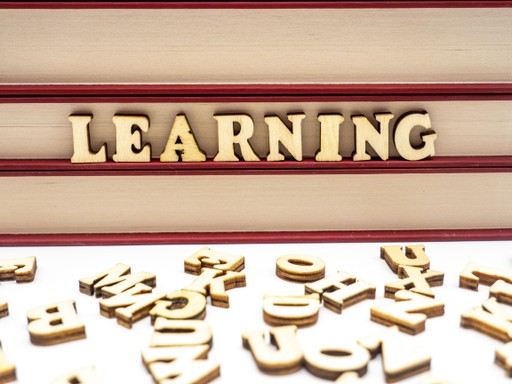
Learning a new skill doesn't require years of dedicated study. With focused intention, strategic practice, and effective methods, you can acquire a meaningful new skill in just 30 days. Whether you want to learn a language, master a technical skill, develop an artistic ability, or improve your professional capabilities, the 30-day challenge provides a proven framework for rapid skill acquisition.
Understanding the 30-Day Learning Framework
The 30-day skill acquisition method is based on the principle of concentrated practice. Rather than spreading learning over months with inconsistent effort, you dedicate focused time daily for 30 days. This creates momentum, builds consistent habits, and allows you to reach genuine competency in a surprising short time.
The key is defining what "learning" means for your specific skill. You won't become fluent in a language in 30 days, but you can learn 1,000 common words and basic conversational ability. You won't become a professional programmer in 30 days, but you can build functional programs and understand core concepts. Setting realistic, specific goals is essential.
Step 1: Choose Your Skill and Define Your Goal
Select a skill that genuinely interests you and has practical value in your life. Your motivation matters—learning something because you feel obligated will fail. Choose something that excites you, something you genuinely want to do or understand.
Define your specific goal clearly. "Learn Spanish" is vague. "Hold a 5-minute conversation in Spanish about daily life" is specific and measurable. "Improve my drawing" is vague. "Draw a portrait that captures likeness and emotion" is specific. Clear goals guide your learning and help you measure progress.
Step 2: Gather Quality Learning Resources
Quality resources matter more than quantity. You don't need dozens of courses or books. Find 2-3 high-quality resources aligned with your goal. Look for resources that match your learning style—video learners should use platforms like YouTube or Skillshare, reading-focused learners should use blogs or books, kinesthetic learners should seek hands-on tutorials.
{{cta|primary|Start Learning Today|The best online courses are now free or under $20. Don't let cost hold you back.|Browse Learning Platforms|https://www.bestdealguide.com/blog|#0071E3|#F5F5F7}}
YouTube is an underrated learning resource. Many exceptional teachers share free, high-quality instruction. Udemy courses, often available at $10-15, provide structured learning for almost any skill. Books provide deep understanding. Online communities and forums offer support and answers when you're stuck.
Step 3: Establish a Daily Practice Routine
Commit to practicing daily. The frequency matters more than duration. 30 minutes every single day is more effective than 4 hours once a week. Daily practice keeps the skill at the front of your mind, builds automaticity, and maintains momentum.
Schedule your practice time like an important appointment. Put it in your calendar. Practice at the same time each day if possible—this creates a consistent habit. Start small if 30 minutes seems daunting—15 minutes daily is better than nothing and builds gradually.
Step 4: Use Active Learning Techniques
Passive learning—watching videos or reading without engagement—is inefficient. Active learning—practicing, applying knowledge, and teaching others—creates real learning. After learning a concept, immediately apply it. If learning programming, write code. If learning language, speak it (even to yourself). If learning art, create artwork.
Spaced repetition enhances memory. Review what you learned previously before learning new material. Teaching others solidifies your understanding—explain what you're learning to a friend or in writing. Making mistakes is essential; they're feedback indicating where to focus effort.
Step 5: Track Progress and Adjust

Track your progress daily. Keep a learning journal noting what you studied, what you practiced, and what you learned. This reinforces learning and provides evidence of progress. On difficult days when motivation wanes, reviewing your journal reminds you how much you've already accomplished.
Assess your learning weekly. Are you progressing toward your goal? Is your learning style matching your resources? Are you enjoying the process? Adjust as needed. If a resource isn't working, switch to another. If your goal feels too ambitious, scale it back. If it feels too easy, increase the difficulty.
Skills Ideal for 30-Day Learning
Some skills are particularly suited to 30-day intensive learning. Basic language conversational ability, fundamental programming concepts, digital skills (spreadsheets, graphic design software, WordPress), basic photography, fitness and nutrition changes, drawing basics, writing fundamentals, and public speaking are all realistic for 30 days.
Skills that require extensive practice (becoming a musician, mastering a sport, fluency in a language) benefit from 30-day intense study but require more time for complete mastery. Use 30 days to establish foundations and build momentum.
Overcoming Challenges
Frustration peaks around day 7-10 when initial excitement fades but competency hasn't yet arrived. Push through this valley. By day 15, you'll notice genuine progress. Motivation naturally returns when you see tangible improvement.
Perfectionism kills learning. Your first attempts will be terrible. Your first conversation in a new language will be halting and awkward. Your first drawing will be rough. This is normal and necessary. Embrace imperfection as part of learning.
Lack of time is often an excuse. Everyone has 30 minutes daily. Wake up 30 minutes earlier, use your lunch break, reduce social media time, or eliminate an hour of television. Finding time requires prioritization, not availability.
{{cta|minimal|Want to accelerate your career?|See our guides on building skills, writing resumes, and landing better jobs.|Explore Career Guides|https://www.bestdealguide.com/blog|#0071E3|}}
After 30 Days
By day 30, you'll have a genuine new skill—not expert-level, but functionally competent. You'll have momentum, confidence, and deep motivation to continue. Many people extend their 30-day challenges, pursuing deeper mastery.
The 30-day learning challenge proves that rapid skill acquisition is possible. It demonstrates that intense focus beats sporadic effort, and that consistent daily practice compounds quickly. Most importantly, it proves that you're capable of learning anything you truly want to learn. That confidence transfers across your life.
{{faq-start|Skill Learning — Frequently Asked Questions|Mastering new skills efficiently|#0071E3}}
{{faq-q|Can I really learn a meaningful skill in 30 days?}}
{{faq-a|You won't become an expert in 30 days, but you can reach functional proficiency in most skills. Research shows that focused practice for 20 hours can take you from knowing nothing to performing reasonably well. 30 days of daily practice puts you well past that threshold.}}
{{faq-q|What's the most efficient way to learn?}}
{{faq-a|Active practice beats passive consumption. Spend 20% of your time learning concepts and 80% practicing them. Spaced repetition (reviewing material at increasing intervals) is the most scientifically-backed retention technique.}}
{{faq-q|How much time per day should I dedicate?}}
{{faq-a|Even 30-60 minutes of focused daily practice produces significant results over 30 days. Quality matters more than quantity — one hour of deliberate practice is worth three hours of unfocused repetition.}}
{{faq-q|What if I hit a plateau?}}
{{faq-a|Plateaus are normal and usually mean you need to change your approach rather than practice harder. Try learning from a different source, teaching someone else what you know, or breaking the skill into smaller sub-skills to work on individually.}}
{{faq-q|What skills have the highest return on investment?}}
{{faq-a|Communication skills (writing, speaking, negotiating) have the broadest career impact. Technical skills like data analysis, basic coding, and Excel mastery provide immediate practical value. Financial literacy pays dividends for your entire life.}}
{{faq-end}}