Building Your Ideal Skincare Routine Based on Skin Type

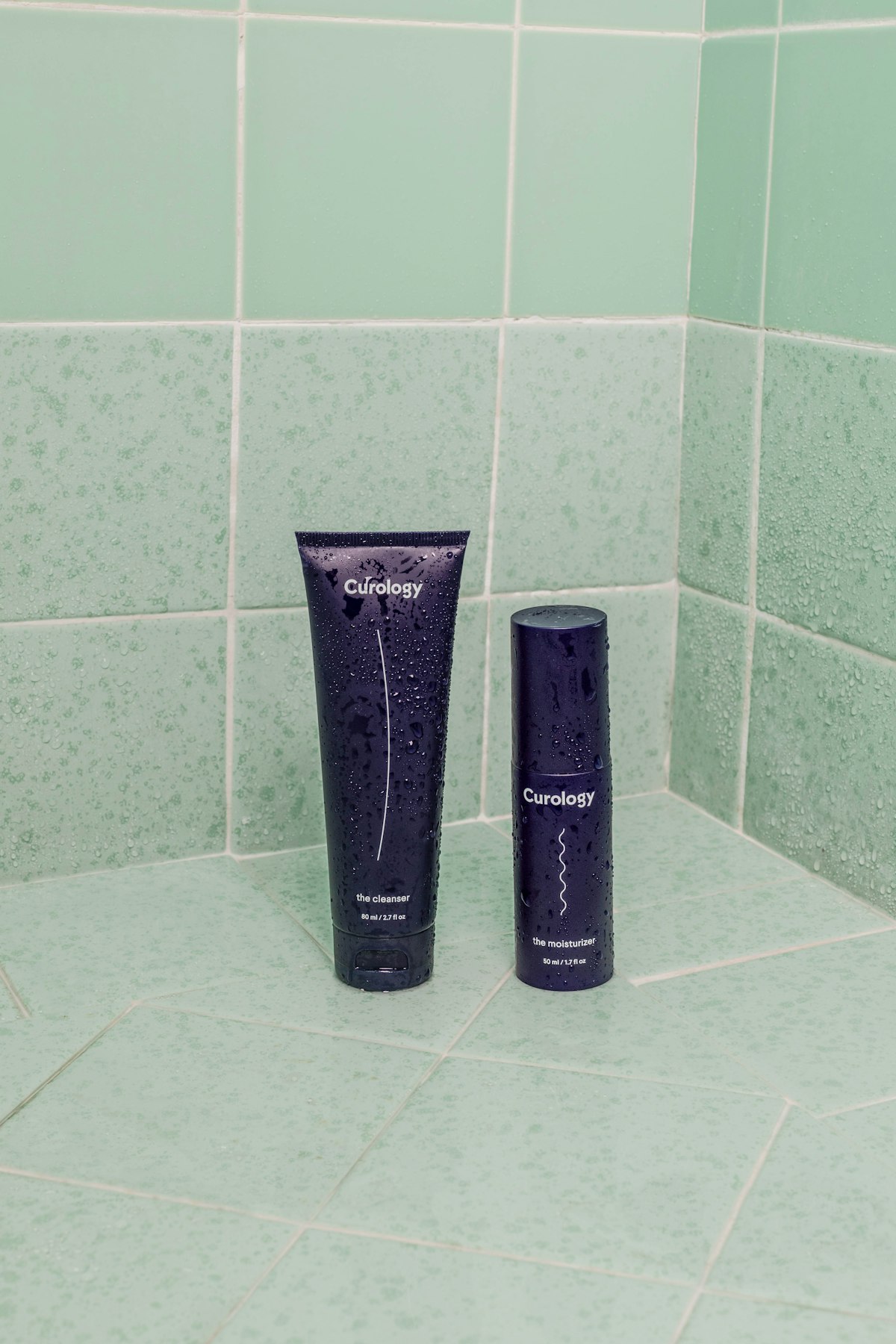
The skincare industry generates billions in revenue annually, and the sheer volume of products, ingredients, and advice can be overwhelming. But effective skincare doesn't require a 12-step routine or expensive products. It requires understanding your skin type, choosing the right active ingredients, and building a consistent routine that addresses your specific concerns. The basics are simpler than the marketing would have you believe.
Identifying Your Skin Type
Your skin type is determined by genetics and influences how your skin looks, feels, and responds to products. Oily skin produces excess sebum, resulting in shine, enlarged pores, and a tendency toward breakouts. Dry skin feels tight, may flake or feel rough, and is more prone to fine lines. Combination skin is oily in the T-zone (forehead, nose, chin) but dry or normal on the cheeks. Sensitive skin reacts easily to products and environmental factors with redness, stinging, or irritation. Normal skin is well-balanced with few issues. Most people can identify their type by washing their face with a gentle cleanser, waiting an hour without applying anything, and observing how their skin feels.
The Essential Routine: Three Steps
A solid skincare routine needs only three components: cleanser, moisturizer, and sunscreen. Cleansing removes dirt, oil, and pollutants without stripping the skin's natural moisture barrier. Moisturizing hydrates and helps maintain the skin barrier, which is essential for all skin types — even oily skin needs hydration. Sunscreen (SPF 30 or higher, broad-spectrum) is the single most effective anti-aging product available, protecting against UV damage that causes premature wrinkles, hyperpigmentation, and skin cancer. Everything beyond these three steps is optional and should be added based on specific skin concerns.
{{cta|primary|Find Your Skincare Match|Take our quick quiz to discover which products and ingredients are best suited for your skin type and concerns.|Take the Quiz|/quiz/non-surgical-treatment-quiz|#4A7C59|#F0FAF0}}
Key Active Ingredients Explained
Retinoids (including retinol and prescription tretinoin) are the gold standard for anti-aging, promoting cell turnover and collagen production. Start with low concentrations and use only at night, as they increase sun sensitivity. Vitamin C is an antioxidant that brightens skin tone, fades hyperpigmentation, and provides some UV protection when used under sunscreen. Hyaluronic acid is a humectant that draws moisture to the skin — excellent for all skin types, especially when applied to damp skin. Niacinamide (vitamin B3) reduces inflammation, minimizes pore appearance, and helps with uneven skin tone. Salicylic acid (a BHA) penetrates oil to clear pores and is particularly effective for acne-prone skin. AHAs (glycolic acid, lactic acid) exfoliate the skin surface, improving texture and brightness.
Routine by Skin Type
For oily skin, use a gel or foaming cleanser, a lightweight oil-free moisturizer, niacinamide or salicylic acid as treatment steps, and a matte-finish sunscreen. For dry skin, opt for a cream or milk cleanser, a rich moisturizer with ceramides and hyaluronic acid, and a hydrating sunscreen. For combination skin, you may need to use different products on different areas — lighter products on the T-zone and richer formulations on dry patches. For sensitive skin, choose fragrance-free products with minimal ingredients, patch test everything, and introduce new products one at a time with several weeks between additions.
{{cta|minimal|Skincare Product Research|Compare ingredient lists and reviews across popular skincare brands|Explore Products|https://www.paulaschoice.com/ingredient-dictionary|#4A7C59|#F0FAF0}}
When to See a Dermatologist
While a solid home routine handles most skincare needs, certain situations warrant professional consultation. Persistent acne that doesn't respond to over-the-counter treatments, sudden changes in skin condition, suspicious moles or growths, severe redness or irritation, conditions like rosacea or eczema, and interest in prescription-strength treatments like tretinoin or chemical peels are all good reasons to visit a dermatologist. Annual skin checks are recommended for everyone, especially those with fair skin, a history of sunburns, or a family history of skin cancer.
{{cta|banner|More Health & Wellness Guides on BDG|Browse our full library of health and skincare articles.|Read More|/blog|#4A7C59|#F0FAF0}}
Frequently Asked Questions
{{faq-start}}{{faq-q}}How long does it take to see results from a new skincare routine?{{/faq-q}}{{faq-a}}Most skincare products need four to six weeks of consistent use to show meaningful results, since skin cell turnover takes approximately 28 days. Retinoids may take three to six months for full anti-aging benefits. Be patient and consistent before judging whether a product works.{{/faq-a}}{{faq-q}}Do I really need sunscreen every day, even when it's cloudy?{{/faq-q}}{{faq-a}}Yes. Up to 80% of UV rays penetrate clouds, and UVA rays (which cause aging) pass through windows. Daily sunscreen is the most impactful skincare habit you can adopt for long-term skin health and appearance.{{/faq-a}}{{faq-q}}Can I use retinol and vitamin C together?{{/faq-q}}{{faq-a}}While older advice suggested avoiding this combination, current dermatological guidance indicates they can be used together or at different times of day. A common approach is vitamin C in the morning (for antioxidant protection under sunscreen) and retinol at night.{{/faq-a}}{{faq-q}}Is expensive skincare better than drugstore brands?{{/faq-q}}{{faq-a}}Not necessarily. The effectiveness of a product depends on its active ingredients and their concentrations, not the price tag. Many drugstore brands contain the same active ingredients as luxury lines. Check ingredient lists rather than relying on brand reputation or price as indicators of quality.{{/faq-a}}{{faq-q}}How do I know if a product is causing a reaction vs. a normal adjustment period?{{/faq-q}}{{faq-a}}Mild tingling with acids or slight dryness when starting retinol can be normal. Persistent redness, burning, itching, swelling, or breakouts in areas where you don't usually get them are signs of a reaction. Discontinue the product and consult a dermatologist if symptoms persist.{{/faq-a}}{{faq-end}}
Disclaimer: This article is for informational purposes only and does not constitute medical or dermatological advice. Consult a board-certified dermatologist for personalized skincare recommendations.