Best Superfoods for Energy and Immunity

Best Superfoods for Energy and Immunity
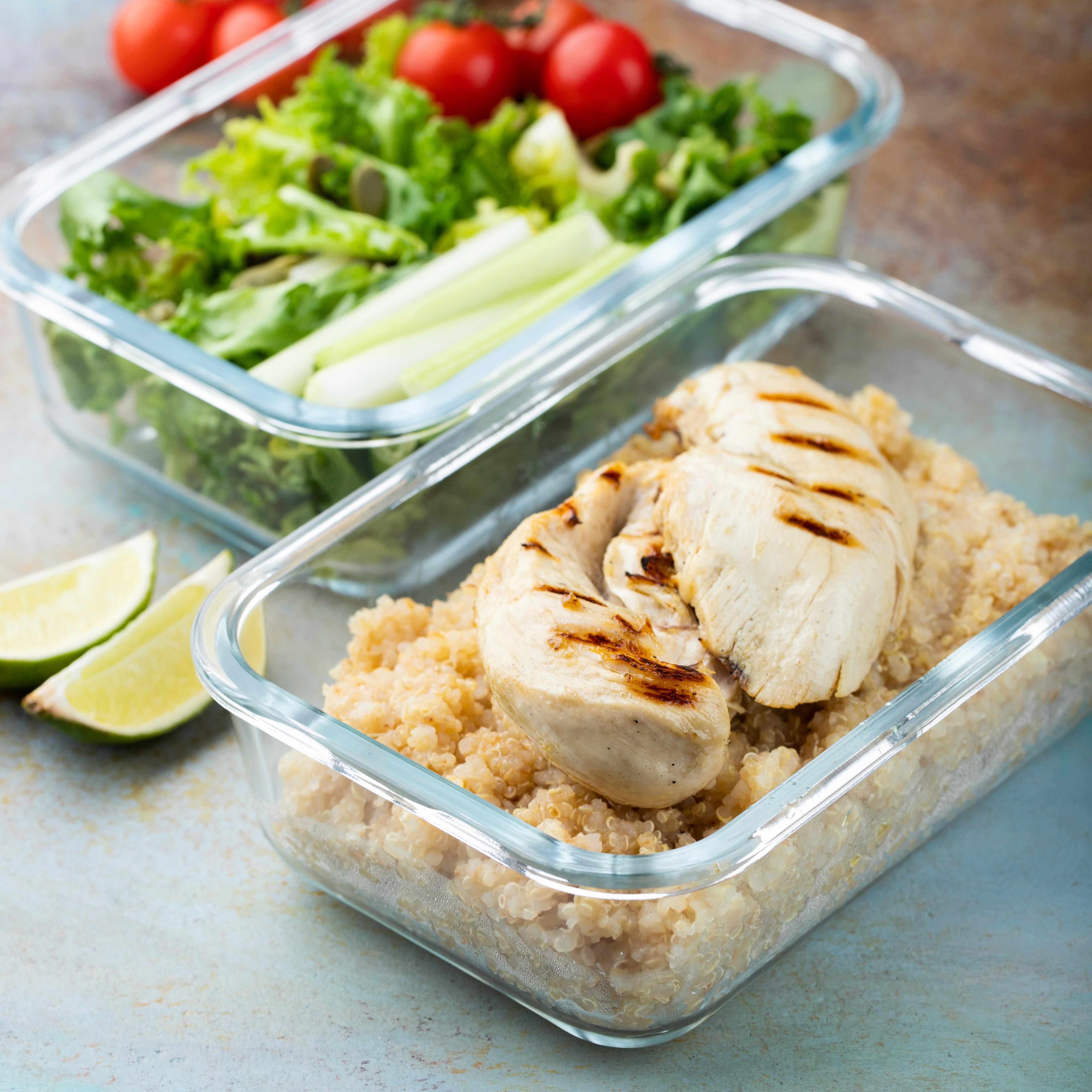
The term superfood gets thrown around a lot in marketing, but behind the hype there are genuinely powerful foods that can make a measurable difference in your energy levels and immune function. These are not exotic supplements or expensive powders. They are whole, nutrient-dense foods consumed for centuries and backed by modern nutritional science. Incorporating them into your regular diet can help you feel more energized, recover from illness faster, and reduce your risk of chronic disease.
Understanding Nutrient Density
A superfood is simply a food delivering exceptional nutritional value relative to its calorie content. Instead of eating 500 calories of processed food leaving you hungry and foggy, superfoods deliver vitamins, minerals, antioxidants, and phytonutrients your body can actually use. These nutrients support immune function, reduce inflammation, stabilize energy, and protect your cells from oxidative damage. The best superfoods are accessible, affordable, and easy to incorporate into everyday meals.
The superfoods deserving your attention offer multiple benefits—supporting immunity, reducing inflammation, boosting energy, and improving digestion simultaneously. These are foods your great-grandparents probably ate regularly and now being validated by modern research.
Top Superfoods for Energy and Immunity
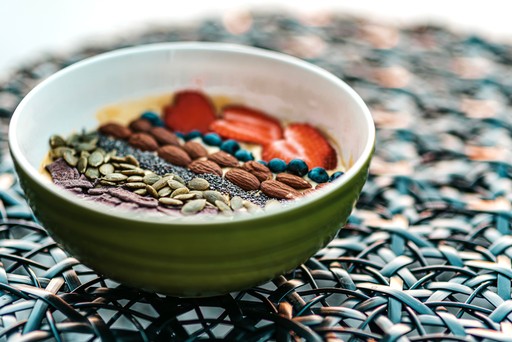
Starting with berries: blueberries, raspberries, blackberries, and strawberries are packed with antioxidants called anthocyanins protecting your cells from damage and reducing inflammation. They're also rich in vitamin C, fiber, and polyphenols. A handful of berries provides immediate energy without blood sugar crashes and supports immune function. Fresh or frozen both work equally well.
Leafy greens—spinach, kale, arugula, and collard greens—are nutritional powerhouses containing vitamin K, folate, iron, and magnesium. Magnesium supports energy production at cellular level, which is why deficiency causes chronic fatigue. Spinach is particularly convenient because it can be added to smoothies, soups, or salads without changing taste much. Just one cup of raw spinach provides 25% of your daily magnesium needs.
Cruciferous vegetables like broccoli, Brussels sprouts, and cauliflower contain sulforaphane, a compound with powerful anti-inflammatory and immune-boosting properties. These vegetables also support liver detoxification, which improves energy by helping your body eliminate toxins more efficiently. They're among most researched foods for cancer prevention, and eating them regularly reduces disease risk significantly.
Fatty fish like salmon, mackerel, and sardines are rich in omega-3 fatty acids, which reduce inflammation throughout your body and support brain function and mood. The anti-inflammatory effects of omega-3s reduce joint pain, improve cardiovascular health, and strengthen immunity. These fish are also excellent sources of vitamin D and selenium, nutrients many people lack.
Nuts and seeds—almonds, walnuts, chia seeds, and flax seeds—provide healthy fats, protein, magnesium, and vitamin E. They sustain energy for hours and can replace processed snacks in your diet. A small handful of almonds or walnuts provides steady energy without blood sugar spike of a candy bar or cookie.
Legumes including beans, lentils, and chickpeas are inexpensive superfoods providing plant-based protein, fiber, iron, and polyphenols. They support digestive health, provide sustained energy, and improve blood sugar control. Adding a half-cup of cooked lentils or beans to salads, soups, or grain bowls significantly increases the nutritional value of a meal.
{{quiz-start|Superfood Knowledge Quiz|Think you know your superfoods? Test your nutrition knowledge!|#0071E3}}
{{quiz-q|Which superfood has the highest antioxidant content per serving?}}
{{quiz-o|Kale|Blueberries|Açaí berries|Spinach}}
{{quiz-correct|2|Açaí berries have one of the highest ORAC (antioxidant capacity) scores of any food, roughly 10x that of blueberries per gram.}}
{{quiz-q|What makes salmon a 'superfood'?}}
{{quiz-o|High vitamin C|Rich in omega-3 fatty acids|Zero calories|Contains caffeine}}
{{quiz-correct|1|Wild salmon is one of the best sources of omega-3 fatty acids (EPA & DHA), which reduce inflammation and support brain and heart health.}}
{{quiz-q|Which superfood is the best plant-based source of complete protein?}}
{{quiz-o|Broccoli|Quinoa|Rice|Lettuce}}
{{quiz-correct|1|Quinoa is one of the few plant foods that contains all 9 essential amino acids, making it a complete protein source with 8g per cup.}}
{{quiz-q|What gives turmeric its powerful anti-inflammatory properties?}}
{{quiz-o|Vitamin D|Curcumin|Iron|Fiber}}
{{quiz-correct|1|Curcumin is the active compound in turmeric responsible for its potent anti-inflammatory and antioxidant effects. Pair with black pepper for 2000% better absorption.}}
{{quiz-q|How much of your daily fiber can one avocado provide?}}
{{quiz-o|5%|15%|27%|50%}}
{{quiz-correct|2|One medium avocado contains about 10g of fiber — roughly 27% of the recommended daily intake — plus heart-healthy monounsaturated fats.}}
{{quiz-end}}
Berries Are Nature's Powerhouse
Berries deserve special attention because they're accessible year-round, delicious, and one of few foods you can eat in quantity without concern. A person eating a pound of blueberries daily would consume far fewer calories and far more nutrients than someone eating a pound of cookies. Berries can be added to oatmeal, yogurt, smoothies, or eaten plain as snacks. Frozen berries are just as nutritious as fresh and often more affordable, making them a practical choice.
The antioxidant concentration in berries is remarkable. Studies show that eating berries regularly reduces inflammation markers, improves blood pressure and cholesterol, and reduces disease risk. For energy specifically, the vitamins and minerals in berries support mitochondrial function—the energy factories in your cells—making berries excellent pre or post-workout foods.
Leafy Greens and Cruciferous Vegetables
If you had to choose one category of food to prioritize, it should be green vegetables. The nutrient density of leafy greens is unmatched, and regularly eating them is one of strongest predictors of long-term health. Spinach is particularly iron-rich, supporting oxygen transport and preventing anemia-related fatigue, and incorporating iron-rich greens into your diet can help maintain healthy levels.
Cruciferous vegetables including broccoli, Brussels sprouts, cauliflower, and cabbage contain compounds like indole-3-carbinol supporting hormonal balance and liver function. These vegetables are slightly bitter, signaling presence of beneficial compounds. Try roasting them with olive oil and garlic, or steaming them lightly to preserve nutrients while improving digestibility. These vegetables have been extensively studied for their ability to reduce cancer risk and support immune function.
Healthy Fats That Fuel Your Body
Fats have been unfairly demonized in nutrition, but healthy fats are essential for sustained energy, hormone balance, brain function, and nutrient absorption. Olive oil, avocado oil, nuts, seeds, and fatty fish provide fats that actually reduce inflammation rather than increase it. These fats slow digestion of carbohydrates, providing steady energy instead of blood sugar spikes and crashes.
Avocados deserve special mention because they provide potassium, folate, fiber, and healthy fats in a convenient whole-food package. Adding half an avocado to lunch prevents energy crash that typically hits at 3 PM. Similarly, handful of nuts provides sustained energy for hours, making them ideal snacks when you need stable energy without eating a full meal.
Superfood Smoothie Recipes
Recipe | Key Nutrients | Energy Boost | Prep Time |
|---|---|---|---|
Green Power (spinach, banana, almond butter, almond milk) | Iron, magnesium, protein, fiber | Sustained 3-4 hours | 3 minutes |
Berry Blast (mixed berries, Greek yogurt, chia seeds, honey) | Antioxidants, protein, omega-3s, probiotics | Immediate + sustained | 3 minutes |
Tropical Immunity (mango, coconut, turmeric, ginger) | Vitamin C, curcumin, anti-inflammatory compounds | Sustained 2-3 hours | 5 minutes |
Chocolate Protein (cocoa, banana, peanut butter, oat milk) | Antioxidants, protein, magnesium | Sustained 3-4 hours | 3 minutes |
Turmeric Golden (turmeric, ginger, cinnamon, coconut milk, black pepper) | Curcumin, anti-inflammatory, antimicrobial | Sustained + immune boost | 5 minutes |
Building a Superfood-Rich Diet
You don't need to completely overhaul your diet. Instead, focus on gradual substitutions. Replace white rice with brown rice or quinoa. Replace processed snack with handful of almonds or berries. Add cup of spinach to your next smoothie. Start ordering salads with more vegetables and quality protein. These small changes compound. After month of consistently including superfoods, you'll notice more energy, better digestion, clearer skin, and improved mood. After three months, you may notice changes in your weight, sleep quality, and overall sense of well-being.
{{cta|primary|Shop Superfoods|Find organic superfoods at great prices. Free shipping on orders over $35.|Browse Superfoods|https://www.amazon.com/s?k=organic+superfoods|#4A7C59|#F0FAF0}}
The key is consistency rather than perfection. You don't need to eat superfoods 100% of time to experience benefits. Even eating them 70-80% of time makes a measurable difference. Start with superfoods you actually enjoy. If you hate kale, eat spinach instead. If you don't like salmon, try sardines or walnuts. There are enough nutrient-dense options available that you can build a diet that's both healthy and genuinely enjoyable.
{{faq-start|Superfoods — Frequently Asked Questions|Evidence-based nutrition guidance|#4A7C59}}
{{faq-q|Are superfoods actually 'super'?}}
{{faq-a|The term 'superfood' is a marketing label, not a scientific classification. These foods are nutrient-dense and beneficial, but no single food is a miracle cure. A balanced diet with a variety of whole foods matters more than any individual superfood.}}
{{faq-q|How much do superfoods cost?}}
{{faq-a|Many superfoods are affordable—blueberries, sweet potatoes, spinach, and oats are all budget-friendly. Exotic superfoods like acai and spirulina cost more but aren't necessarily better than common nutrient-dense foods.}}
{{faq-q|Can superfoods replace supplements?}}
{{faq-a|For most people, a diet rich in whole foods provides adequate nutrition without supplements. However, some people may need supplements for specific deficiencies (vitamin D, B12, iron). Consult a healthcare provider for personalized advice.}}
{{faq-q|What's the best superfood for energy?}}
{{faq-a|For sustained energy, complex carbohydrates paired with protein and healthy fats work best. Oatmeal, nuts, and leafy greens provide steady fuel. Avoid relying on caffeine or sugar for quick energy boosts—they lead to crashes.}}
{{faq-q|Should I buy organic superfoods?}}
{{faq-a|Organic can reduce pesticide exposure, but conventional produce is still highly nutritious. If budget is a concern, prioritize organic for the 'Dirty Dozen' (strawberries, spinach, etc.) and buy conventional for thick-skinned produce.}}
{{faq-end}}