Best Magnesium Supplements for Sleep in 2026: 5 Brands Tested (One Costs $0.04/Night)

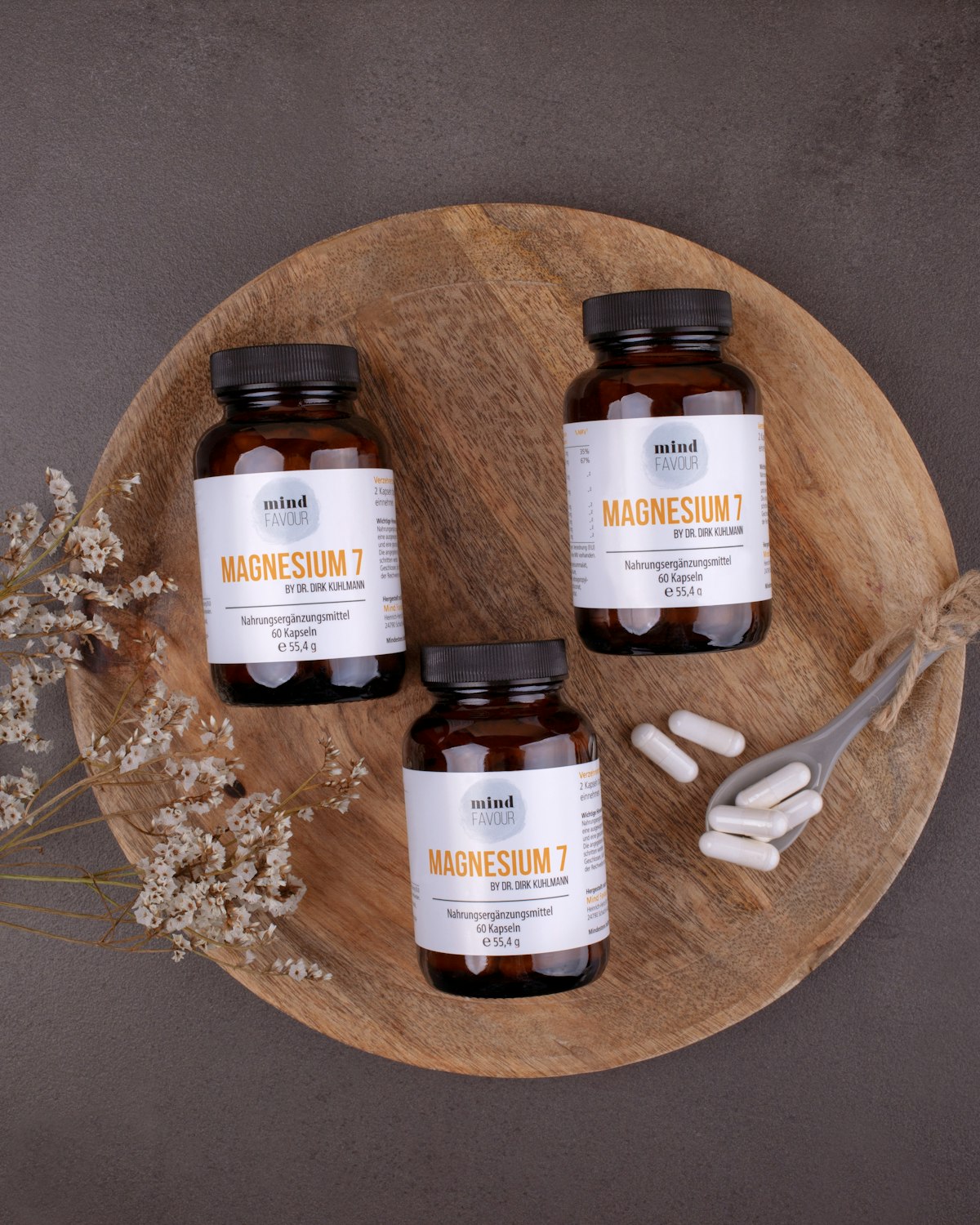
Best Magnesium Supplements for Sleep in 2026: 5 Brands Tested
Magnesium has quietly become the supplement that sleep researchers actually take themselves. Unlike melatonin — which can disrupt your natural sleep cycle with long-term use — magnesium supports sleep by calming your nervous system, relaxing muscles, and lowering cortisol. The problem: there are dozens of forms and hundreds of brands, and most of them are not worth your money.
We dug into the research, compared pricing down to the cost per night, and focused on the one form that science consistently supports for sleep: magnesium glycinate (also called magnesium bisglycinate). Here is what we found.
Why Magnesium Glycinate for Sleep?
Not all magnesium is created equal. Magnesium oxide is cheap but poorly absorbed — most of it passes straight through you (which is why it is commonly used as a laxative). Magnesium citrate is better absorbed but can still cause GI issues. Magnesium glycinate is chelated with glycine, an amino acid that itself has calming properties. You get a double benefit: better magnesium absorption without the stomach problems, plus the relaxation effects of glycine.
Magnesium L-threonate (Magtein) is another option that crosses the blood-brain barrier more effectively, but it costs significantly more and has less research behind it for sleep specifically. For most people, glycinate is the sweet spot of effectiveness, tolerability, and value.
Quick Comparison: 5 Top Magnesium Glycinate Supplements
Brand | Mg Per Serving | Price | Cost/Night | Third-Party Tested | Best For |
|---|---|---|---|---|---|
Thorne Magnesium Bisglycinate | 200 mg | ~$38/60 scoops | ~$0.63 | NSF Certified for Sport | Overall best quality |
Pure Encapsulations Magnesium Glycinate | 120 mg | ~$28/90 caps | ~$0.31 | Yes (multiple) | Doctor-recommended |
Transparent Labs MAG | 300 mg | ~$25/30 servings | ~$0.83 | Yes | Highest dose per serving |
Nutricost Magnesium Glycinate | 210 mg | ~$17/120 caps | ~$0.14 | GMP-certified facility | Best budget option |
Nature Made Magnesium Glycinate | 200 mg | ~$12/60 caps | ~$0.20 | USP Verified | Best pharmacy option |
Our Top Picks
Best Overall: Thorne Magnesium Bisglycinate
Thorne consistently tops sleep supplement rankings for a reason. The powder format means faster absorption than capsules, the NSF Certified for Sport designation means it is been tested for purity at the highest level, and the 200 mg dose hits the sweet spot that research supports for sleep improvement.
Yes, it is the second most expensive option per night at $0.63. But Thorne is the brand that integrative medicine doctors, sleep researchers, and dietitians actually keep in their own medicine cabinets. When your sleep is on the line, the premium formulation with the best testing certification is — in our view — the real deal. You are not paying for a fancier label. You are paying for purity verification that the cheaper brands cannot match.
Best Value: Pure Encapsulations Magnesium Glycinate
Pure Encapsulations has quietly become the supplement brand that doctors actually write on prescription pads. The formula is dead simple: magnesium glycinate and a capsule. No fillers, no artificial colors, no unnecessary additives. At $0.31 per night, it hits a compelling middle ground between Thorne's premium quality and budget options.
The 120 mg dose is lower than others, which means you may want to take two capsules if you need a higher dose. That brings the cost per night up to $0.62 — basically the same as Thorne. For the single-capsule convenience at a lower dose, Pure Encapsulations is excellent. For a full therapeutic dose, Thorne's powder is more economical.
Best Budget: Nutricost Magnesium Glycinate
At $0.14 per night, Nutricost is almost absurdly cheap. The 210 mg dose is solid, the capsules are made in a GMP-compliant facility, and it is third-party tested. For someone who wants to try magnesium for sleep without committing $30-40 to a premium brand, Nutricost eliminates the financial barrier entirely.
The trade-off: Nutricost does not have the same level of third-party certification as Thorne (NSF) or Nature Made (USP). GMP compliance is the baseline for supplement manufacturing — it means they follow good practices, but it is not the same as independent purity verification. For most people, this is fine. If you have specific purity concerns or are a competitive athlete subject to drug testing, spend more on Thorne.
{{cta|primary|Best Mouth Tape for Sleep|Complete your sleep stack — 6 mouth tape brands compared.|See Mouth Tape Guide|https://www.bestdealguide.com/blog/best-mouth-tape-for-sleeping-2026|#4A7C59|#F0FAF0}}
Best Pharmacy Pickup: Nature Made Magnesium Glycinate
Nature Made's advantage is availability and USP verification. You can grab it at any CVS, Walgreens, or Walmart — no waiting for shipping. The USP Verified mark means an independent lab has confirmed the bottle contains what the label says, which is more than most supplement brands can claim.
At $0.20 per night, it is nearly as affordable as Nutricost with a stronger testing pedigree. If you want to start tonight and your local pharmacy carries it, this is the move.
Highest Dose: Transparent Labs MAG
Transparent Labs packs 300 mg of magnesium bisglycinate chelate per serving — the highest on this list. If you know you need a higher dose (some research shows benefits up to 300-400 mg for sleep), this delivers it in one shot without doubling up on capsules.
At $0.83 per night, it is the most expensive option. But for the per-milligram math: Transparent Labs costs about $0.003/mg versus Thorne at $0.003/mg and Pure Encapsulations at $0.005/mg (for 120 mg). If you need the higher dose, Transparent Labs is actually competitive on a per-milligram basis.
The 12-Month Cost Breakdown
Because supplements are a daily commitment, here is what each option actually costs over a year:
Brand | Monthly Cost | Annual Cost | Annual Mg Total |
|---|---|---|---|
Thorne | ~$19 | ~$228 | 73,000 mg |
Pure Encapsulations | ~$9.40 | ~$113 | 43,800 mg |
Transparent Labs | ~$25 | ~$300 | 109,500 mg |
Nutricost | ~$4.25 | ~$51 | 76,650 mg |
Nature Made | ~$6 | ~$72 | 73,000 mg |
The spread is dramatic: $51 to $300 per year. But notice that Nutricost and Thorne deliver nearly identical annual magnesium totals (~73-77K mg) while Nutricost costs 78% less. The difference is in testing certification and brand trust — you decide how much that peace of mind is worth to you.
When to Take Magnesium for Sleep
Most sleep researchers recommend taking magnesium glycinate 30-60 minutes before bed. The glycine component starts promoting relaxation relatively quickly, and taking it as part of a consistent bedtime routine reinforces your body's sleep signals.
Start with a lower dose (100-200 mg) and increase if needed. The upper tolerable limit for supplemental magnesium is 350 mg per day for adults, though some people tolerate higher doses. If you experience loose stools, reduce your dose — though this is much less common with glycinate than with oxide or citrate forms.
Important: Magnesium can interact with certain medications, including antibiotics, diuretics, and heart medications. If you take prescription drugs, check with your healthcare provider before starting a magnesium supplement.
{{cta|minimal|Best Mouth Tape for Sleeping|6 brands tested — find the right one for nasal breathing.|Read the Guide|https://www.bestdealguide.com/blog/best-mouth-tape-for-sleeping-2026|#4A7C59|}}
Our Bottom Line
Thorne Magnesium Bisglycinate is our top pick because the NSF certification provides a level of purity assurance that matters for something you take every single night. At $0.63/night — less than a cup of coffee — it is a premium product that justifies its price for daily long-term use.
Nutricost is the best deal if budget is your primary concern. At $0.14/night, the financial barrier to trying magnesium for sleep is essentially zero. If it works for you (and research suggests it will for many people), you can always upgrade to a premium brand later.
The worst deal? Buying magnesium oxide capsules because they are $8 at the grocery store. Poor absorption means you are flushing most of it — literally. Spend a few dollars more on the right form and actually get the sleep benefits you are paying for.
{{cta|banner|Complete Your Sleep Stack|Magnesium + mouth tape = the budget sleep optimization combo for 2026.|See Mouth Tape Picks|https://www.bestdealguide.com/blog/best-mouth-tape-for-sleeping-2026|#4A7C59|#F0FAF0}}
{{faq-start|Magnesium for Sleep — FAQ|Your questions answered|#4A7C59}}
{{faq-q|How long does it take for magnesium to help with sleep?}}
{{faq-a|Most people notice improvements within 1-2 weeks of consistent daily use. Some report better relaxation the first night, but the full sleep-quality benefits typically build over time as your magnesium levels normalize. Give it at least 2-4 weeks before deciding if it works for you.}}
{{faq-q|Is magnesium glycinate better than melatonin for sleep?}}
{{faq-a|They work differently. Melatonin signals your brain that it is time to sleep, while magnesium supports the relaxation processes that enable quality sleep. Many sleep experts now recommend magnesium over melatonin for long-term use because melatonin can disrupt your natural production with extended use, while magnesium addresses a common nutritional deficiency without dependency concerns.}}
{{faq-q|Can I take too much magnesium?}}
{{faq-a|The upper tolerable limit for supplemental magnesium is 350 mg per day for adults. Exceeding this can cause diarrhea, nausea, and cramping. Magnesium glycinate is less likely to cause GI issues than other forms, but start with a lower dose and increase gradually. If you have kidney disease, consult your doctor before supplementing.}}
{{faq-q|What is the difference between magnesium glycinate and bisglycinate?}}
{{faq-a|They are the same thing. Magnesium bisglycinate means the magnesium is bonded to two glycine molecules (bis means two). Some brands say glycinate, others say bisglycinate — it is identical in terms of absorption and effectiveness. Do not pay more for one label over the other.}}
{{faq-q|Should I take magnesium with or without food?}}
{{faq-a|Magnesium glycinate can be taken with or without food. Some people find it slightly easier on the stomach with a small snack. For sleep purposes, taking it 30-60 minutes before bed — whether or not you have eaten — is the recommended timing.}}
{{faq-end}}
This article is for informational purposes only and does not constitute medical advice. Consult your healthcare provider before starting any new supplement.